Wedding Flower Costs UK: Budget Guide for 2027
Posted on 24/09/2026
Planning your wedding flowers can feel a bit like walking into a florist and suddenly forgetting your own name. One minute you're thinking "just a bouquet and a few nice arrangements," and the next you're comparing rose varieties, centrepiece sizes, and whether you really need buttonholes for everyone. The truth is, Wedding Flower Costs UK: Budget Guide for 2027 is less about one fixed price and more about understanding what drives the cost, where the money actually goes, and how to spend with confidence.
This guide breaks it all down in plain English. You'll see what affects wedding flower pricing in the UK, how to build a sensible budget, where couples usually overspend, and what to prioritise if you want beautiful flowers without the budget wobble. There are examples, comparisons, a practical checklist, and a few honest tips from the real world too. Let's make it simple.
- Why wedding flower costs matter
- How wedding flower pricing works
- Key benefits of budgeting properly
- Who this guide is for
- Step-by-step budgeting guidance
- Expert tips for better results
- Common mistakes to avoid
- Tools, resources and recommendations
- Law, compliance, standards and best practice
- Options, methods and comparisons
- Case study or real-world example
- Practical checklist
- Frequently asked questions
Why Wedding Flower Costs UK: Budget Guide for 2027 Matters
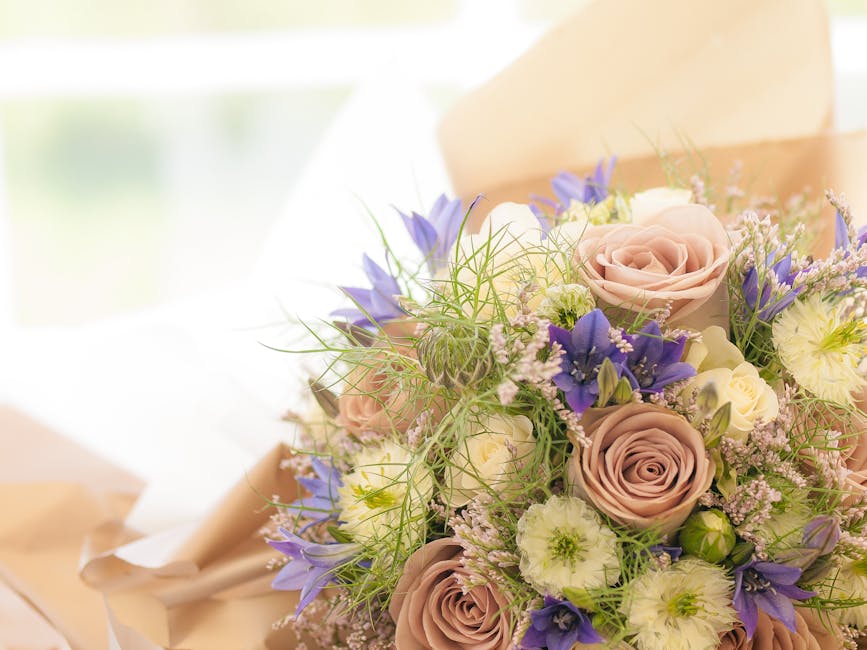
Wedding flowers do a lot of heavy lifting. They shape the look of the ceremony, help the photos feel cohesive, and tie together the colour palette in a way that can make even a simple venue feel considered. But they can also be one of the easiest parts of the wedding to underestimate. A bridal bouquet looks small in your hands, yet the planning behind it can be surprisingly involved.
In the UK, flower costs are affected by season, flower availability, design style, travel, venue access, and whether you are buying ready-made pieces or commissioning bespoke arrangements. By 2027, couples are also likely to be more focused on value, flexibility, and sustainable choices. That means knowing where your money goes is no longer a luxury. It is part of smart wedding planning.
Why does this matter so much? Because flowers are emotional purchases. People choose them with their eyes and heart first, then look at the price afterwards. That can be lovely, but it can also lead to budget drift. A few "small" upgrades here and there, and suddenly your floral spend has grown quietly. Sneaky little thing, flowers.
Expert takeaway: The best flower budget is not the biggest one. It is the one that matches your priorities, season, venue, and photography goals without leaving you under pressure elsewhere.
It also matters because wedding flowers are often visible throughout the day. They're in the aisle shots, on the table in front of your guests, and in those close-up photos you'll keep forever. If you under-budget too hard, the effect can feel sparse. If you over-budget, you may regret spending on flowers that were only seen for a couple of hours. Balance is the win.
How Wedding Flower Costs UK: Budget Guide for 2027 Works
Wedding flower pricing in the UK usually works on a mix of product cost, design time, labour, logistics, and delivery. A florist is not just handing over stems. They are sourcing flowers, conditioning them, designing the pieces, transporting them, and often installing them on site. That all gets reflected in the final price.
Here is the basic structure most couples encounter:
- Bridal flowers such as the bridal bouquet and sometimes a throw bouquet or posy.
- Bridesmaid flowers to complement the main bouquet without overpowering it.
- Buttonholes and corsages for the groom, wedding party, and close family.
- Ceremony arrangements such as pedestal pieces, aisle flowers, or registrar table flowers.
- Reception flowers including centrepieces, top table arrangements, and accent flowers.
- Delivery and setup, which can matter a lot if the venue has strict access times or multiple rooms.
For 2027 planning, it helps to think in three broad spend levels rather than chasing a mythical "average" that may not suit your day:
- Budget-led: simpler designs, fewer arrangements, seasonal flowers, and a focus on a few visible areas.
- Mid-range: more cohesive styling, a fuller bouquet, matching pieces for the party, and a stronger ceremony-to-reception flow.
- Premium: larger installations, statement florals, specialist blooms, and detailed venue transformation.
One thing people often miss is scale. A bunch of beautiful flowers in a shop vase is not the same thing as wedding work. Wedding flowers need to hold shape for hours, survive transport, and still look fresh under camera flashes and warm venue lights. That extra resilience costs money too.
As a rough planning approach, many couples find it useful to split their floral budget into categories: personal flowers, ceremony flowers, and reception flowers. That helps you see where to increase spend and where to trim. If the budget gets tight, the reception is often the easiest place to simplify without affecting the emotional core of the day.
Key Benefits and Practical Advantages
Budgeting properly for wedding flowers does not just protect your wallet. It improves decision-making. Once you know what matters most, you can stop reacting to every pretty image you see online. And yes, wedding inspiration boards can be dangerous little beasts.
Here are the real-world advantages of planning flower costs early:
- Clearer priorities: you can decide whether you care more about the bouquet, the ceremony entrance, or the tables.
- Less stress: no last-minute panic when a quote lands higher than expected.
- Better visual consistency: the flowers can support the rest of the styling instead of competing with it.
- Smarter seasonal choices: you can choose blooms that suit the month and usually cost less to source.
- More confidence with suppliers: you can ask the right questions and compare proposals properly.
There is also a practical benefit many couples appreciate after the day itself. When the budget has been managed well, there is less regret. You know why you spent what you spent. That matters more than people admit. A wedding should feel generous, not financially fuzzy.
Flowers can also be reused creatively. A ceremony arrangement might move to the top table later. Bridesmaid bouquets can be displayed in the reception space. Buttonholes are small, but they still contribute to the overall look. Thinking in terms of reuse is one of the easiest ways to get more visual value from the same spend.
Who This Is For and When It Makes Sense
This guide is for anyone planning a wedding in the UK in 2027 who wants realistic flower budgeting without the guesswork. That includes couples planning a small registry-style ceremony, a full church wedding, a countryside marquee reception, or a city venue with a tighter schedule and access window.
It is especially useful if you are:
- working to a fixed wedding budget and need to avoid overspend;
- trying to understand florist quotes before booking;
- comparing DIY flowers with professional arrangements;
- planning a seasonal colour scheme;
- wondering which floral elements are worth paying for;
- trying to keep the look elegant without going overboard.
It also makes sense if you are helping someone else plan. Parents, siblings, and wedding organisers often get dragged into the flower conversation halfway through, usually after someone has already fallen in love with peonies or orchids. You know how it goes.
If your wedding is at a venue that already has a strong aesthetic, you may need fewer flowers than you think. If the space is plain, large, or spread across multiple rooms, flowers may need to work harder. That is why the same budget can produce very different results depending on the setting.
Step-by-Step Guidance
Let's walk through a sensible way to build your wedding flower budget. Keep it practical. No drama. No perfectionism.
1. Decide what flowers are actually essential
Start by listing the pieces you genuinely want. Usually that means the bridal bouquet, one or more bridesmaid bouquets, buttonholes, and at least a few ceremony or reception flowers. If you are short on budget, do not try to cover every area equally. Choose the most photographed moments first.
2. Set a total floral budget before shopping
It is easier to manage flowers when they have a clear ceiling. If you wait until after the first beautiful quote, you may end up stretching for things that are not really necessary. Set a total figure, then divide it. Simple, but effective.
3. Split the budget by priority
A useful split might look like this:
- 40% for the bridal bouquet and key personal flowers
- 30% for ceremony flowers
- 20% for reception flowers
- 10% for delivery, setup, and contingency
That is just an example, not a rule. If your reception is a simple meal and your ceremony is the main event, shift the emphasis there. If you are having a marquee with empty tables, the balance changes again.
4. Choose seasonal flowers where possible
Seasonal flowers usually offer better value and a fresher look. In spring, softer blooms tend to feel natural and light. Summer can give you fuller, richer textures. Autumn flowers often bring warmth and depth. Winter arrangements may use fewer varieties but can still look stunning. Matching the season often saves both money and stress.
5. Ask for a quote based on examples
Photographs help, but give context. Tell the florist which pieces matter most, how many tables you have, and whether the venue needs set-up support. A good quote should reflect your actual day, not a generic package. If you are unsure what style suits your theme, a broader collection like wedding flowers and collections can help you compare the feel of different designs before narrowing down the brief.
6. Check where reuse is possible
A ceremony arrangement can often move to the reception. Bridesmaid flowers can be repurposed on a cake table or gift table. Even smaller items can be repositioned for photos. This is one of those little planning tricks that feels obvious once you hear it, but plenty of couples forget.
7. Keep one contingency buffer
Things change. Guest counts shift. Tables get added. A favourite bloom becomes unavailable. Leave a small buffer so minor changes do not throw the whole budget off course.
Expert Tips for Better Results
Good wedding floristry is rarely about buying more. It is about using texture, shape, and colour well. A modest budget can look far more elegant than an expensive one if the choices are thoughtful.
Here are a few expert-level tips that make a real difference:
- Go narrower, not smaller: a bouquet with fewer flower types can look more refined than one with too many competing elements.
- Use focal flowers wisely: one or two standout blooms can do a lot of visual work.
- Match scale to venue: a tiny arrangement can vanish in a large barn, while oversized pieces can overwhelm a small registry room.
- Think in layers: a mix of flowers, foliage, and shape creates more depth than blooms alone.
- Keep colour strategy simple: two or three core colours often look more polished than a rainbow of "nice" options.
If you want a softer, timeless look, white and blush tones are often a safe starting point. For something warmer, consider peach, yellow, or mixed seasonal shades. A bridal bouquet in a clean palette can pair nicely with matching pieces like white bridal bouquet styles or romantic bridal bouquet designs, depending on the mood you want.
Also, do not ignore the little flowers. Buttonholes, corsages, and bridesmaid pieces may seem minor, but they are often the bits guests notice in close-up photos. A neat matching wedding buttonhole can help the whole party feel coordinated without adding a huge cost.
And a slightly cheeky but true point: if your venue already looks lovely, you do not need to force flowers into every corner like you're fighting the room for attention. Let some spaces breathe.
Common Mistakes to Avoid
Most flower budget problems come from enthusiasm, not bad intentions. That said, a few mistakes crop up again and again.
1. Starting with the Pinterest board, not the budget
Inspiration is useful, but only after you know your spending limit. Otherwise you end up building a dream arrangement around a number that never existed. Brutal, but common.
2. Forgetting delivery and setup
People often compare flower item prices and forget the operational side. If your venue is remote, has awkward access, or needs timed setup, those logistics can matter.
3. Ordering too many separate pieces
A lot of small items can quietly inflate the final bill. One extra spray here, a mini arrangement there, then suddenly you have a lot of florals but not much impact.
4. Choosing out-of-season flowers without a reason
If you love a particular bloom, that is fine. But choosing out-of-season flowers simply because they look pretty online can be expensive for little gain. Better to use them sparingly as a feature rather than as the whole plan.
5. Not checking what the venue already provides
Some venues have candle holders, pedestals, or table decor that reduce the need for flowers. Others are blank slates. Knowing this early can save you from paying twice for the same visual effect.
6. Forgetting weather and timing
For summer weddings especially, flowers may need extra care in warm rooms or during outdoor transfers. That is not always a huge cost, but it can influence your flower choice and setup timeline.
To be fair, most of these mistakes happen when couples are juggling everything else too. It is easy to overlook the small details when you are also dealing with guest lists, suits, menus, and family opinions. Deep breath.
Tools, Resources and Recommendations
You do not need fancy software to plan wedding flower costs well, but a few simple tools can help.
- A spreadsheet or notes app: list each floral item, its estimated cost, and whether it is essential or optional.
- Venue plan or floor layout: useful for deciding how many arrangements you truly need.
- Photo references: bring a small set of images that show the exact style, not fifty slightly different versions.
- Colour swatches: handy if you are matching flowers to bridesmaid dresses, napkins, or signage.
- Timeline plan: especially important if flowers must arrive before hair, makeup, or room access windows.
If you are comparing floral styles, browsing product collections can help you narrow your preferences before requesting quotes. For example, seasonal or value-led options such as budget-friendly flowers and broader ranges like all flowers can be useful for understanding what is available at different price points.
If you need a softer romantic look for the bridal party, the range of bridesmaid bouquets may also help you visualise how the colour story holds together from ceremony to reception. When you can see the style clearly, budgeting becomes much less vague.
Law, Compliance, Standards, or Best Practice
Wedding flower planning in the UK is not usually about legal compliance in the strict sense, but there are still a few best-practice points worth respecting.
First, venue rules matter. Many venues have restrictions on candles, hanging installs, floor arrangements, or access times. Some require florists to arrive within tight windows, and that can affect labour costs. Always check what the venue allows before you commit to a design.
Second, if flowers are being installed in public or shared areas, such as hotel lobbies or church entrances, the florist may need to work around access, safety, and property management requirements. That is normal. It is also one reason professional setup can cost more than people expect.
Third, if you are using foam-free or sustainable floral methods, discuss them early. Best practice is to make sure the design, hydration method, and transport plan are realistic. Beautiful and practical should go together, not fight each other.
Finally, be clear on what is included in the quote. Does it cover vases, ribbon, delivery, collection, or installation? A transparent quote is not just nice to have. It is the basic standard you should expect. If something feels vague, ask. A good florist should be happy to explain it without making you feel silly for asking.
Options, Methods, or Comparison Table
There is no single correct way to buy wedding flowers. The best choice depends on your budget, style, and how much time you want to spend managing the details. Here is a simple comparison of common approaches.
| Approach | Best for | Typical strengths | Potential downsides |
|---|---|---|---|
| Professional bespoke florist | Couples wanting tailored designs | Polished finish, coordinated styling, venue knowledge | Higher cost, more lead time |
| Pre-designed wedding collection | Couples who want a balanced look and simpler decision-making | Clearer pricing, easier planning, consistent theme | Less flexibility than fully bespoke work |
| DIY flowers | Hands-on couples on a tighter budget | Lower product cost, more control over details | Time pressure, transport risk, stress on the day |
| Mixed approach | Couples who want value and a few statement pieces | Good balance of cost and impact | Requires careful coordination |
For many couples, the mixed approach is the sweet spot. You might have a professionally designed bridal bouquet and buttonholes, then simpler reception flowers or reusable arrangements elsewhere. That can keep the look coherent without pushing the budget too hard.
If you are choosing between statement bouquets and coordinated collections, it helps to think about the photos you want most. Close-up romantic portraits? Then invest in the bouquet. A room full of guests? Then spread the spend across the tables and ceremony space.
Case Study or Real-World Example
Here is a realistic example of how a couple might shape their wedding flower spend without going overboard.
Imagine a mid-sized UK wedding with 80 guests, a civil ceremony, and a reception in the same venue. The couple wants a soft romantic look with whites and blush tones, but they are careful with budget. They decide on a priority list: bridal bouquet first, then bridesmaid bouquets, then buttonholes, then a modest number of table arrangements.
Instead of filling the room with flowers everywhere, they focus on the areas that appear in photos and the moments guests will actually notice. The ceremony space gets a few stronger arrangements. The reception tables use smaller, repeated designs. The bridal flowers are the standout piece, while the rest supports the look quietly.
That approach usually feels more thoughtful than trying to do too much. And, honestly, it photographs well. A venue with a few strong floral focal points often looks more elegant than one crowded with small pieces all competing for attention. You can almost hear the room settle when the styling feels right.
They also plan the day so the ceremony flowers are moved into the reception after the vows. That simple decision gives them more visible value from the same budget. Nothing flashy. Just sensible planning, which is very underrated.
Practical Checklist
Use this checklist before you confirm your flower order. It keeps the whole process grounded.
- Set a total floral budget before requesting detailed quotes.
- List the items you absolutely need and the ones you would like if budget allows.
- Choose your most important photo moments first.
- Check the wedding season and shortlist flowers that are likely to work well then.
- Ask what is included in delivery, setup, and collection.
- Confirm venue access times and restrictions.
- Decide whether ceremony flowers can be reused at the reception.
- Keep your colour palette simple enough to stay cohesive.
- Ask for alternatives if a favourite bloom is expensive or out of season.
- Leave a small contingency for late changes or added items.
Quick practical summary: if your budget is limited, spend first on the bridal bouquet, then the flowers that appear in ceremony photos, and then on any reception pieces that help the room feel finished. If you have more flexibility, invest in scale and reuse rather than lots of tiny extras. That tends to give the best value.
Conclusion
Wedding flowers do not need to be mysterious, and they do not need to blow the budget either. Once you understand the moving parts - season, style, labour, delivery, and venue setup - the numbers become much easier to manage. That is really the heart of Wedding Flower Costs UK: Budget Guide for 2027: give yourself enough structure to make good decisions, but enough flexibility to choose what matters most.
Whether you're planning something simple and intimate or full of romantic detail, the best floral plan is one that feels calm, considered, and honest about priorities. Flowers should support the day, not dominate your budget planning. And if you get the balance right, they do something lovely: they quietly make everything feel more like your wedding. That's the magic.
Get a free quote today and see how much you can save.
Frequently Asked Questions
How much should I budget for wedding flowers in the UK in 2027?
There is no universal figure that suits every wedding, because the cost depends on the number of arrangements, flower types, venue access, and how bespoke the design is. A better approach is to decide your total wedding budget first, then set a floral share that matches how important flowers are to your day.
What are the biggest factors that affect wedding flower costs?
The biggest drivers are seasonality, flower choice, bouquet size, number of arrangements, delivery distance, and whether you need installation on site. Labour and design time also matter a great deal, especially for complex venues or large displays.
Are seasonal flowers cheaper for weddings?
Usually, yes. Seasonal flowers tend to be easier to source and often look more natural for the time of year. They can also give you better value because the florist is not working against availability.
Is a bespoke wedding florist always more expensive?
Not always, but bespoke work often costs more because it involves more design time and tailored sourcing. If you want something unique without paying for a fully custom brief, a collection-led option can be a useful middle ground.
How many flowers do I need for a small wedding?
For a smaller wedding, you may only need a bridal bouquet, a couple of bridesmaid bouquets, buttonholes, and a few focal arrangements. Small weddings can look beautiful with fewer pieces if the flowers are chosen carefully and placed in the right locations.
Can I reuse ceremony flowers at the reception?
Yes, and it is one of the best ways to stretch the budget. Ceremony arrangements can often be moved to the top table, entrance, or cake area after the vows, as long as the florist and venue plan for that in advance.
What wedding flowers give the best value?
That depends on the season and design style, but value usually comes from using flowers that are readily available, pairing focal blooms with supportive greenery, and avoiding too many different varieties. Good structure often looks better than expensive abundance.
Should I get a florist or do wedding flowers myself?
DIY can save money, but it also adds time pressure and risk. If you enjoy hands-on planning and have a very small, simple setup, DIY may work well. If the day is more complex or you want a polished finish, a florist is usually the safer choice.
How far in advance should I book wedding flowers?
It is sensible to book as early as you can once your date and venue are confirmed, especially for busy seasons. Early booking gives you more choice and more time to refine the design without rushing.
Do wedding flower quotes usually include delivery and setup?
Not always. Some quotes include them, while others separate them out. Always check exactly what is covered so you can compare suppliers fairly. A quote that looks cheaper at first may not be cheaper once everything is added in.
What should I bring to a florist consultation?
Bring venue details, your wedding date, colour ideas, a rough guest count, and a short list of must-have items. A few focused inspiration images are more useful than a huge scrapbook of mixed styles. Clear briefs make better quotes. Every time.
How can I keep my wedding flowers looking good all day?
Choose flowers suited to the season, confirm timing with your florist, and avoid leaving delicate arrangements in heat or direct sunlight for too long. Good transport and setup planning make a bigger difference than many couples realise.
Are there any legal rules for wedding flowers in the UK?
There usually are not strict legal rules for the flowers themselves, but venues may have their own requirements for access, safety, installation, or display items. It is best to check venue guidance and confirm any restrictions before finalising the plan.
How do I know if my flower budget is realistic?
If the budget allows for your main priorities, includes delivery and setup, and gives you a small buffer for changes, it is probably realistic. If you are trying to cover too many areas with too little money, the design may feel thin or the planning may become stressful. A realistic budget should feel manageable, not heroic.