Step-by-Step Prep for Flowers to Survive Same-Day Delivery
Posted on 07/05/2026
Same-day flower delivery sounds simple from the outside: arrange the bouquet, pack it, hand it over, done. In reality, getting flowers to arrive fresh and upright the same day takes a bit more care than most people expect. Stems need hydration, blooms need the right stage of opening, packaging has to protect delicate petals, and timing matters more than you'd think. One slightly warm van journey or a loose wrap can undo all that lovely work in minutes.
This guide walks through step-by-step prep for flowers to survive same-day delivery in a practical, florist-friendly way. Whether you're arranging gifts for birthdays, sympathy tributes, wedding extras, or a last-minute "thinking of you" bouquet, the same principles apply: choose sturdier flowers, condition them properly, and prepare them so they can handle the journey without sulking halfway there. Truth be told, flowers are tougher than people give them credit for - if you prep them well.
You'll also find a simple checklist, a comparison table, common mistakes to avoid, and useful links for care, delivery, and order support. If you're buying or sending flowers through a florist, it helps to know what good preparation looks like. That way, you can spot quality and make better choices before the driver even sets off.
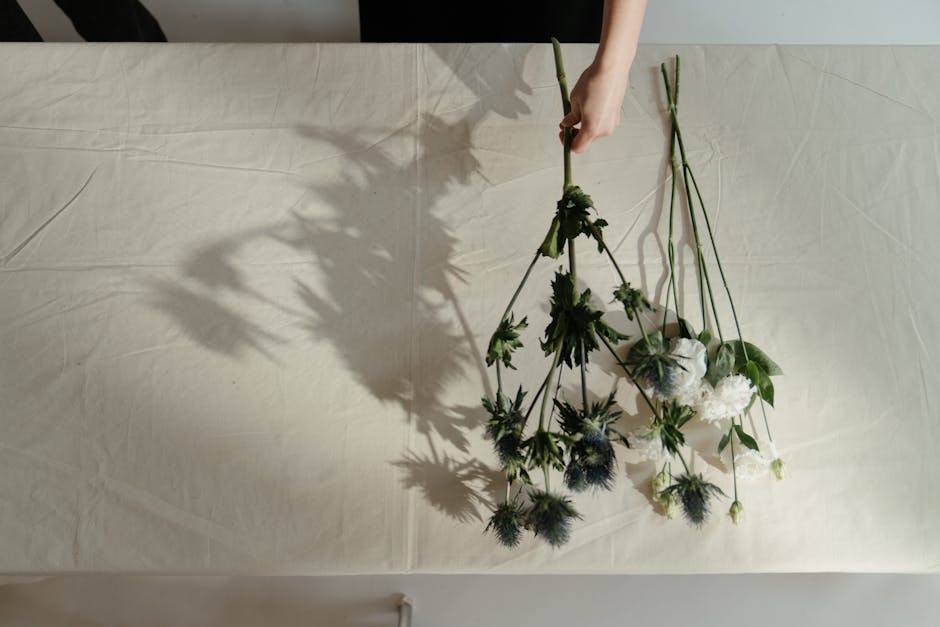
Table of Contents
- Why Step-by-Step Prep for Flowers to Survive Same-Day Delivery Matters
- How Step-by-Step Prep for Flowers to Survive Same-Day Delivery Works
- Key Benefits and Practical Advantages
- Who This Is For and When It Makes Sense
- Step-by-Step Guidance
- Expert Tips for Better Results
- Common Mistakes to Avoid
- Tools, Resources and Recommendations
- Law, Compliance, Standards, or Best Practice
- Options, Methods, or Comparison Table
- Case Study or Real-World Example
- Practical Checklist
- Conclusion
- Frequently Asked Questions
Why Step-by-Step Prep for Flowers to Survive Same-Day Delivery Matters
Same-day delivery compresses the whole flower journey into a short window, which means every stage has less room for error. That matters because cut flowers are living, fragile products. They keep changing after they've been picked, and even tiny mistakes - a dry stem, too much heat, a cramped box - can affect how they look on arrival.
For customers, the stakes are simple: they want the bouquet to arrive looking as beautiful as it did when they clicked checkout. For florists, the stakes are reputational. A bouquet that collapses in transit can turn a happy moment into a complaint, and nobody wants that. The good news is that careful preparation makes a huge difference. You do not need magic. You need rhythm, discipline, and a few practical habits that hold up under pressure.
Same-day flowers are often sent for birthdays, anniversaries, get well messages, sympathy occasions, and "I forgot until lunchtime" emergencies. Let's face it, that last one is more common than people admit. In those situations, durability matters just as much as beauty. A good same-day bouquet should travel well, drink well, and still look welcoming when it lands on a doorstep or at a workplace reception.
If you want to understand how timing and policy choices affect the handoff, the site's delivery information is a sensible place to start. For flower longevity beyond the journey itself, the flower care guide is also worth a look.
How Step-by-Step Prep for Flowers to Survive Same-Day Delivery Works
The process starts well before packaging. In a professional setting, florists usually work backwards from the delivery cut-off. First comes stem selection, then conditioning, then design, then wrapping, then dispatch. The order matters because once flowers are cut, they begin losing moisture immediately. The faster you stabilise them, the better their odds.
Good same-day prep is really about reducing stress. Flowers are handled, cut, moved, cooled, rehydrated, arranged, secured, and sent out - all in one day. Each stage needs the right balance. Too early in bloom and the flowers may open awkwardly in transit. Too late, and the blooms may be fragile or already showing age. Too much water and packaging gets soggy; too little and stems dry out. It's a balancing act, but a manageable one.
There's also a logistics side. A bouquet that survives same-day delivery is usually one that has been designed for movement: shorter stems where needed, sturdy structural flowers in the centre, protective outer layers, and a container or wrap that stops shifting. For larger or more premium designs, such as those found in the luxury flowers range or the broader all flowers collection, preparation becomes even more important because scale can amplify small mistakes.
In other words, the bouquet should not just be pretty. It should be transport-ready.
Key Benefits and Practical Advantages
When flowers are prepared properly for same-day transport, the benefits show up almost immediately. They arrive fresher. They hold shape better. They're less likely to shed petals in the van. And, importantly, the recipient gets the emotional impact you intended - that quick burst of colour and scent when the box or wrap is opened.
- Better freshness on arrival: Proper hydration and stem conditioning help flowers cope with a few hours in transit.
- Less damage in the box: Secure packaging reduces bruising, crushing, and bloom flop.
- More consistent presentation: The bouquet looks like the design the florist planned, not a shaken-up version of it.
- Lower risk of complaints: Fewer damaged stems and fewer wilted heads mean fewer service issues.
- Works across occasions: From birthday flowers to sympathy arrangements, the same prep discipline supports better results.
There's another advantage people overlook: confidence. If you know the flowers have been prepared properly, you can send them same day without that little knot in your stomach. That matters, especially when the occasion is sensitive. A sympathy spray, for instance, needs not only visual dignity but also reliability. Same goes for same-day delivery options that are time-sensitive and often emotionally charged.
And if you're ordering for a specific sentiment, this helps too. A bouquet for birthday flowers, thank you flowers, or thinking of you should feel intentional, not hurried. Good prep preserves that feeling.
Who This Is For and When It Makes Sense
This process is useful for a surprisingly wide group. Florists obviously need it, but so do gifting customers, event organisers, office administrators, and corporate buyers who place urgent orders on behalf of clients or teams. If you're sending flowers from a working day timetable - lunch break ordering, afternoon dispatch, doorstep delivery by evening - this is your lane.
It also makes sense for occasions where timing and condition really matter. A vase arrangement for a new home. A bouquet for an engagement. A wreath or spray for a funeral. Even a simple box of seasonal stems. Different products need different handling, but the principle is the same: prepare for movement, not just display.
Corporate senders should pay attention too. If you're using a regular supplier or managing repeat orders, it can be worth looking at corporate accounts for smoother ordering and less last-minute friction. That's especially handy if you're sending multiple gifts at short notice.
And yes, this is relevant for wedding and event work as well. Bridesmaids' bouquets, buttonholes, and table arrangements all travel. They may not be sent in the same way as a doorstep gift, but they still need careful prep. A stem that arrives tired has a way of showing it, loudly.
Step-by-Step Guidance
Here's the practical bit. If you want flowers to survive same-day delivery, prep them in a sequence that protects moisture, shape, and temperature from start to finish.
1. Choose sturdier flower types first
Not every flower is equally travel-friendly. Some blooms are naturally better suited to a short, active day in transit. Roses, carnations, alstroemeria, chrysanthemums, germini, and many lilies can be handled well when conditioned properly. Hydrangeas are gorgeous but need a little extra vigilance because they are thirsty and can be unforgiving if neglected for too long.
For same-day work, a florist often combines resilient blooms with softer focal flowers. That way the arrangement keeps structure even if one bloom is more delicate than the rest. If you're selecting by type, the site's dedicated pages such as roses, tulips, and lilies help narrow the choice.
2. Cut and condition stems immediately
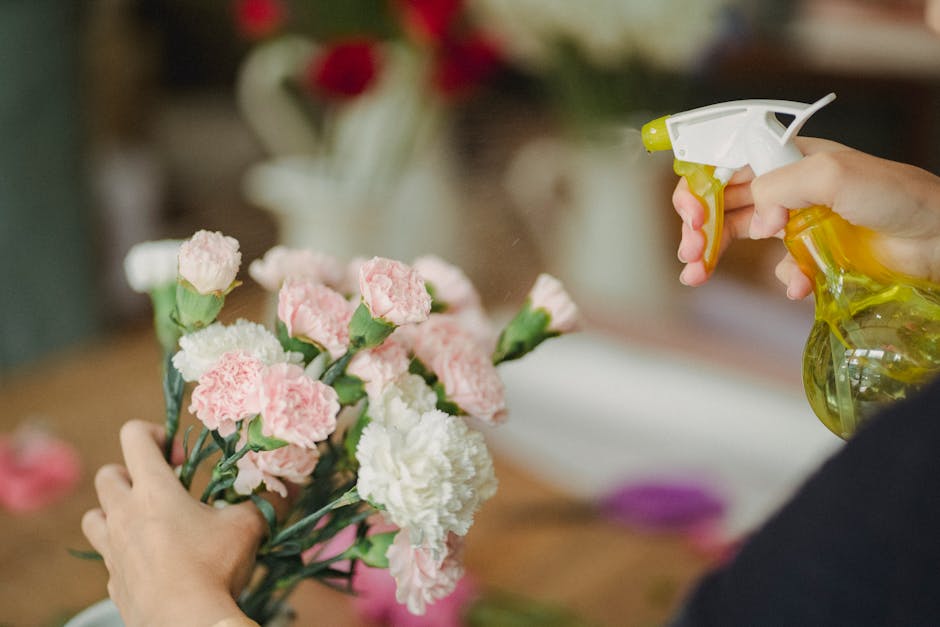
Freshly cut stems should be placed into clean water as soon as possible. Re-cutting the stems at a slight angle helps them draw water more efficiently. Remove any leaves that would sit below the waterline, because those can rot quickly and shorten vase life. It's a small thing, but it matters more than people think.
Conditioning also means giving flowers time to drink before they are arranged or packed. In a busy workshop, this may only be a short rest, but even that resting period improves resilience. Think of it as letting the stems settle after the shock of cutting.
3. Build the bouquet with transport in mind
When arranging for delivery, structure matters. Put sturdier stems where they can support the design. Keep the bouquet balanced so it doesn't lean to one side inside the wrap or box. Avoid designs that are too top-heavy unless you have extra support. A bouquet that looks dramatic on the bench can become awkward in a car if the centre of gravity is wrong.
If you want a more florist-led option, choosing a florist choice arrangement can be a smart move because the designer can select blooms that suit same-day conditions. Similarly, best sellers are often popular for a reason: they tend to be reliable in both look and delivery.
4. Use the right hydration method
There's no single best method for every bouquet, but the goal is always the same: keep stems hydrated without making the packaging messy. Some arrangements are sent in water-filled boxes, some in aqua packs, some wrapped in water sources, and some in vases. The right choice depends on flower type, journey length, and bouquet style.
For certain gifts, a vase arrangement is the simplest route because the flowers already travel in their final container. If that sounds like the better fit, look at flowers in a vase for a practical, low-fuss option.
5. Wrap or box securely without crushing blooms
Packaging should stabilise the arrangement, not squeeze it. The stems need enough support to stay upright, while the blooms need breathing room. Too much pressure flattens petals and creates bruising. Too little support and everything moves around, which is just as bad.
Use internal supports where necessary, especially for mixed stems or larger head sizes. If you're sending sympathy work, baskets, posies, sprays, or wreaths, the packaging style changes, but the same rule applies: secure, not tight. A respectful, stable design matters, particularly for sympathy flowers and wreaths.
6. Protect from heat, cold, and direct sun
Flowers hate extremes. A warm conservatory, a hot car, or a sunny window in the shop can cause stress quickly. On the other side, overly cold storage can damage sensitive blooms. Room temperature, shade, and steady handling are the safest bet for a short same-day route.
In practice, this means getting the bouquet ready as close to dispatch as possible and keeping it away from heat sources while it waits. It sounds obvious, but when the phone is ringing and the printer is jammed and someone's asking where the ribbon went, obvious things get forgotten. Happens all the time.
7. Label clearly and dispatch promptly
A bouquet that has been prepared perfectly can still underperform if it waits around too long. Clear delivery labels, accurate recipient details, and prompt handover make a big difference. The less time flowers spend idle after packing, the better. Same-day is, by definition, a race against time.
If you need help clarifying delivery windows, special requests, or order details, the contact us page is the easiest route for direct support. And if you want to review service expectations before placing anything urgent, the guarantees page is worth checking too.
Expert Tips for Better Results
Most same-day flower issues are not dramatic failures. They're little accumulations: a stem cut a bit too late, a wrap a bit too loose, a delay of twenty minutes here, ten there. So the best tips are usually the practical, repeatable ones.
- Work with cooler rooms early in the day. A fresher starting temperature helps flowers hold up for longer.
- Choose buds and semi-open blooms for mixed arrangements. They travel better than fully open, fragile heads.
- Keep the bouquet compact for short-distance dispatch. Compact doesn't have to mean boring.
- Use sturdy foliage sparingly. It can help structure, but too much makes the bouquet heavier than necessary.
- Test packaging by gently tilting the arrangement. If it slides or shifts, it probably needs more support.
- Prioritise a clean water source. Fresh water and clean containers can be the difference between "fine" and "really good."
One florist trick that works surprisingly well: slightly under-open some of the focal blooms so the recipient gets a bouquet that evolves over the next day or two. That gives a nicer after-delivery experience. They open at home, in their own kitchen or hallway, and the bouquet feels alive rather than pre-spent. It's a small delight, but a real one.
If you want inspiration for good all-round designs, browse the site's baskets and posies or seasonal collections like summer flowers. Seasonal stems often behave better because they're already adapted to the time of year.
Common Mistakes to Avoid
There are a few mistakes that come up again and again. Some are obvious, some less so.
- Using blooms that are too advanced. Fully open flowers look beautiful in the shop, but they can collapse faster in transit.
- Leaving foliage in the water. This shortens vase life and can create an unpleasant smell. Not the vibe.
- Overwatering the pack. A soggy wrap can weaken the arrangement and make transport messy.
- Packing too tightly. Petals bruise, heads flatten, and the bouquet loses shape.
- Ignoring temperature. A hot car can undo careful preparation shockingly fast.
- Forgetting occasion-specific handling. Sympathy work, wedding pieces, and birthday bouquets have different presentation needs.
- Leaving dispatch too late. Same-day flowers should move out quickly once they are ready.
A smaller but common issue is mismatching the bouquet to the journey. A tall, airy design may be stunning, but if it has to travel across town during the afternoon rush, it may not be the wisest choice. A slightly more compact composition can look just as lovely and survive better. Sometimes the prettier answer is not the practical one - or rather, not on a same-day timetable.
Tools, Resources and Recommendations
You don't need a huge workshop to prepare flowers properly, but a few basics make the job much easier.
- Clean buckets or vases for hydration and holding.
- Sharp floristry scissors or a knife for clean stem cuts.
- Absorbent wrap or moisture-safe packaging to protect blooms without soaking them.
- Ribbon, tape, and ties for presentation and stability.
- Delivery labels so nothing gets mixed up in a busy dispatch area.
- Thermal awareness - not a tool exactly, but a habit. Keep flowers out of heat and cold swings.
For buyers, the most useful resources are the ones that explain what will happen after you order. The site's flower care page helps with after-arrival instructions, while delivery details explain service expectations. If you're comparing whether to send something simple or more elaborate, cheap flowers, budget, and over 50 are useful starting points for different spend levels.
You can also look at occasion-led pages to match style with purpose: anniversary flowers, get well flowers, Valentine's Day, or new home gifts. Matching the design to the moment really does matter.
Law, Compliance, Standards, or Best Practice
For flower delivery businesses in the UK, there isn't a single special "same-day flowers law" that covers everything. Instead, the sensible approach is to follow general consumer protection, data handling, payment, and delivery best practices. That means being clear about what you offer, when cut-offs apply, what happens if a delivery attempt fails, and how customer details are used.
In day-to-day terms, good practice usually includes:
- clear delivery and refund terms
- accurate product descriptions
- transparent pricing before checkout
- careful handling of personal information
- accessible information for customers who need it
That's why pages such as terms and conditions, privacy policy, payment information, and returns and refund guidance matter. They help set expectations before an urgent order is placed, which is especially helpful when the clock is ticking.
It is also sensible to make sure content and order information is usable for more people. The site's accessibility statement explains commitment to accessible browsing, which is a good sign for trust. And if your business values sourcing and wider responsibilities, sustainability and the modern slavery statement add useful context too.
Best practice, in plain English: say what you can do, do what you say, and keep the flowers moving cleanly through the process.
Options, Methods, or Comparison Table
Different delivery styles suit different flowers. Here's a simple comparison to help you choose the best method for same-day orders.
| Method | Best for | Why it helps | Watch out for |
|---|---|---|---|
| Wrapped bouquet | Birthday, thank you, romantic, everyday gifts | Light, easy to carry, quick to style | Needs good hydration and secure wrapping |
| Vase arrangement | Longer local routes, office deliveries, premium gifting | Flowers travel in water and arrive presentation-ready | Heavier, more fragile if the vase is loose |
| Basket or posy | Sympathy, thank you, get well, smaller homes | Stable shape and less stem movement | Can dry faster if conditioning is weak |
| Spray or wreath | Funerals, memorials, formal tributes | Structured design, elegant presentation, less shifting | Needs very careful packing and respectful handling |
If you're unsure which route makes most sense, a florist-led selection is often the safest answer. A good florist choice sympathy basket or a practical spray can reduce guesswork and improve delivery reliability.
Case Study or Real-World Example
Here's a simple real-world scenario. A customer orders a same-day bouquet at about 11:30 in the morning for a birthday delivery to a workplace in the afternoon. The recipient is in an office with heating on, a busy reception desk, and not much room for a giant arrangement. In that situation, the florist needs a bouquet that will survive a short ride, sit safely on a desk, and still look cheerful when unwrapped in front of colleagues.
The safest approach would usually be a compact, well-balanced bouquet with resilient stems, sensible water support, and a wrap that keeps the blooms upright. A design with a mix of roses and alstroemeria might work well, or a florist-selected seasonal arrangement with sturdy structure. If the customer added a card, the florist could pair it with a matching message card from the relevant category, such as birthday cards or congratulations cards.
Now compare that with a larger celebration piece for a home delivery. There's more room for drama, maybe a looser design, maybe a mixed colour palette. The prep still has to be careful, but the transport risk is slightly different because the bouquet can be supported at home sooner. Same-day success is partly about matching design to setting. That's the bit people skip, and then wonder why the flowers arrived a little sad around the edges.
In a slightly more sensitive example, a sympathy order sent later in the day needs quiet, reliable handling, often with extra care around timing and presentation. The flowers may be simpler, but the standard of respect is higher. That is why product choice and prep method should fit the occasion, not just the budget.
Practical Checklist
Use this before dispatching any same-day flower order.
- Flowers are freshly cut and placed into clean water
- Leaves below the waterline have been removed
- Stems have been re-cut at a clean angle
- Blooms are at a suitable stage of opening
- The arrangement is balanced and transport-friendly
- Packaging supports the bouquet without crushing it
- Water support is secure and not leaking
- Recipient and address details are checked carefully
- Delivery notes are clear, especially for offices or flats
- The bouquet is kept away from heat and direct sun
- The order is dispatched as soon as it is ready
- Any card message has been added correctly
Expert summary: the best same-day flowers are not just the freshest flowers - they are the freshest flowers prepared with movement, timing, and hydration in mind. That combination does the heavy lifting.
Get a free quote today and see how much you can save.
Conclusion
Preparing flowers for same-day delivery is less about speed alone and more about disciplined speed. If you choose sturdier stems, condition them well, package them properly, and dispatch them promptly, you give the bouquet a real chance to arrive looking lovely rather than merely surviving by luck. And luck, to be fair, is not a reliable delivery strategy.
Whether you're sending a birthday surprise, a thoughtful apology, a wedding accessory, or something quieter and more reflective, the principle stays the same: the journey matters. The flower may only travel a few hours, but those hours count. A lot.
If you want help choosing the right arrangement, checking service details, or placing a time-sensitive order, use the site's support pages and product collections to make the process easier. A little preparation goes a long way, and when flowers arrive in good shape, the moment feels properly cared for. That's what people remember.
Sometimes the smallest, most carefully handled bouquet makes the biggest impression.
Frequently Asked Questions
What flowers survive same-day delivery best?
Sturdier stems such as roses, carnations, alstroemeria, chrysanthemums, germini, and many lilies usually travel well when properly conditioned. The best choice still depends on the occasion, weather, and packaging method.
Should flowers be fully open before same-day delivery?
Usually not. Blooms that are too open can bruise more easily and may look tired by the time they arrive. Semi-open flowers are often a safer balance because they travel better and continue opening after delivery.
Is a vase better than a wrapped bouquet for delivery?
It depends on the route and the design. A vase arrangement can be more stable because the flowers travel in water, while a wrapped bouquet is lighter and easier to carry. For short same-day routes, both can work well if prepared properly.
How long can flowers stay out of water during same-day delivery prep?
As briefly as possible. The aim is to keep stems hydrated for most of the process and avoid unnecessary time out of water. Exact tolerance varies by flower type, but shorter is always better.
What is the biggest mistake people make with same-day flowers?
Overlooking moisture and movement. If flowers are packed too dry, too wet, or too loosely, they can fail in transit even if they looked perfect on the table five minutes earlier.
Do same-day flowers need special packaging?
Yes, in practical terms they do. Packaging should hold the arrangement upright, protect petals, and reduce shifting. It should not crush the bouquet, but it must stop the stems from sliding around.
Can sympathy flowers be sent same day safely?
Yes, if they are prepared with care and dispatched promptly. Sympathy pieces such as sprays, posies, and wreaths often use structured designs that travel well, but respectful handling and accurate timing are essential.
How do florists keep flowers cool before dispatch?
They usually keep arrangements in a shaded, cooler area away from direct sun, radiators, or warm vehicles. The main goal is consistency: avoid sudden temperature swings that can stress the blooms.
Are seasonal flowers better for same-day delivery?
Often, yes. Seasonal flowers are more likely to be in good condition and suited to the current temperature. They can be a sensible choice when speed and reliability matter.
What should I ask before ordering same-day flowers?
Ask about the delivery cut-off, the best flowers for the occasion, whether the bouquet travels in water, and what happens if the recipient is out. Those details save a lot of headaches later.
Do corporate flower orders need different preparation?
They often do. Corporate deliveries may involve reception desks, multiple recipients, or strict time windows, so clarity and consistency matter. If you send flowers regularly, a corporate account can make the process smoother.
How can I make sure a same-day bouquet arrives in good condition?
Choose a florist or arrangement that prioritises hydration, structure, and quick dispatch. Check the delivery details, select a suitable product, and make sure the recipient information is accurate. A little care up front makes a noticeable difference.