How to choose a certified floral designer for large events
Posted on 02/10/2026
Planning flowers for a big event can feel a bit like trying to conduct an orchestra in a busy room. There are venue rules, tight timings, guest counts, colour palettes, sightlines, transport issues, and the simple fact that flowers have to look fresh when everyone else is still setting up. That is exactly why knowing how to choose a certified floral designer for large events matters. The right designer does far more than arrange pretty stems. They help translate a brief into something workable, reliable, and genuinely beautiful on the day.
If you are organising a wedding, gala, awards night, conference dinner, or charity fundraiser, this guide will walk you through what certification means, what to look for, how the process works, and the mistakes that can quietly derail an otherwise great plan. You will also find a practical checklist, a comparison table, and a few grounded tips from real-world event planning reality. Not glamorous, perhaps, but very useful.
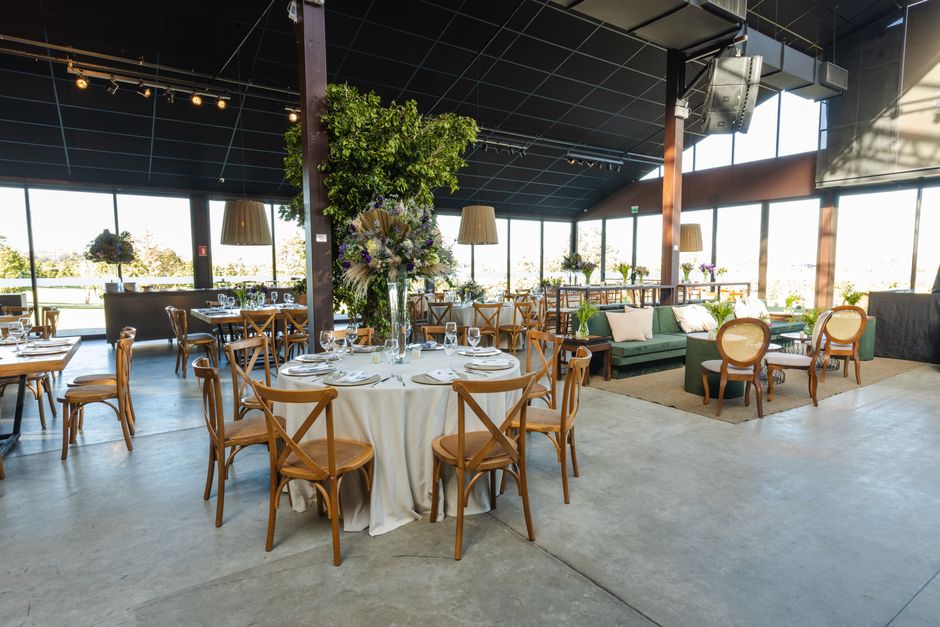
Table of Contents
- Why choosing a certified floral designer matters
- How the process works from brief to installation
- Key benefits and practical advantages
- Who this is for and when it makes sense
- Step-by-step guidance
- Expert tips for better results
- Common mistakes to avoid
- Tools, resources and recommendations
- Law, compliance, standards and best practice
- Options and comparison table
- Case study or real-world example
- Practical checklist
- Conclusion
- Frequently asked questions
Why choosing a certified floral designer matters
Large events are unforgiving. A bridal bouquet can be forgiven if it is slightly off. A room full of centrepieces, ceremony arrangements, entrance florals, staircase garlands, and stage pieces? Not so much. One weak supplier decision can affect the whole guest experience, and flowers are often the first thing people notice when they walk in. The scent, the scale, the colour blocking, the way arrangements frame a stage or table - all of that contributes to the atmosphere.
A certified floral designer brings more than creativity. Certification suggests structured training, technical knowledge, and usually a higher level of process discipline. That matters when you need someone who can estimate stem counts, manage delivery windows, adapt to weather or space changes, and maintain consistency across a large installation. Truth be told, plenty of people can make one lovely bouquet. Far fewer can make thirty table arrangements and a ceremony arch all look like they belong to the same visual family.
There is also a trust factor. With a large event, you are often investing a meaningful share of the decor budget in something highly visible and time-sensitive. A certified designer is more likely to discuss mechanics, hydration, flower conditioning, colour balance, and installation logistics in a way that helps you make informed choices rather than guess your way through it.
Expert summary: For large events, certification is not just a badge. It is a useful signal that the florist understands scale, planning, and execution, not just style. The goal is not only to create beautiful flowers, but to create beautiful flowers that arrive on time, hold up properly, and still look intentional at the end of the evening.
How choosing a certified floral designer works
The process usually starts with a brief. You explain the event type, venue, date, guest numbers, colour palette, priorities, and budget. A strong designer will ask questions about sightlines, room layout, access, tables, lighting, and whether the event includes multiple spaces. That first conversation tells you a lot. Are they listening, or just selling?
From there, the designer may build a concept board, a proposed flower list, and an installation plan. For large events, this stage should include more than mood words like "luxury" or "romantic". You want practical detail: which flowers are seasonal, which are likely to travel well, what can be repurposed after the ceremony, and what needs special handling. If the event is in London or another busy city venue, loading bay access and timing can matter just as much as the blooms themselves.
After agreement, the designer usually confirms quantities, schedule, and any venue requirements. On the day, flowers are conditioned, transported, and installed in phases. A well-run team will know how to work around venue staff, caterers, photographers, and AV crews without everyone getting in each other's way. That sounds obvious. It often is not.
If you are browsing product categories to understand flower style and form, it can help to see how a florist structures their range. For example, a selection like wedding flowers and event floral collections can reveal whether they think in terms of bouquets, centrepieces, and wider occasion design rather than simple one-off stems.
Key benefits and practical advantages
Choosing a certified floral designer for a large event gives you practical advantages that are easy to overlook when you are focused on colours and visuals. The strongest benefit is consistency. Large events need one clear aesthetic, repeated well across many touchpoints. The designer should be able to keep that consistency from welcome arrangements to reception tables to statement pieces.
Another major benefit is risk reduction. Flowers are living material. They react to heat, light, wind, refrigeration, and handling. A certified designer is more likely to plan for those variables, which can save you from wilted petals, sagging structures, or arrangements that simply do not survive the day.
There is also a guest-experience benefit. Well-designed event flowers help guide movement, soften hard spaces, define zones, and make photographs feel more polished. A stage arrangement can create visual depth. A long banquet table can feel warmer and more inviting. Even small floral details, like buttonholes or corsages, help the event feel considered.
And yes, there is budget value too. That does not always mean cheaper. It means better use of what you spend. A designer who understands scale can suggest where to go big and where to keep things simpler. For instance, a room may need one strong statement installation and a series of more restrained table pieces. That is often more effective than trying to make every single item dramatic, which can look a bit noisy.
- Better consistency across multiple arrangements
- More reliable scheduling and installation
- Stronger understanding of venue logistics
- Improved flower choice for season, durability, and budget
- Cleaner collaboration with planners, caterers, and venue teams
Who this is for and when it makes sense
This approach makes sense for anyone planning an event where flowers are a visible part of the experience, not just a final touch. That includes weddings, corporate receptions, brand launches, awards dinners, gala fundraisers, cultural celebrations, and formal private parties. If guests are going to photograph it, talk about it, or move through it, the floral design needs to be thought through properly.
It is especially useful when:
- the event has more than one room or zone
- you need a consistent theme across many tables or areas
- the venue has access restrictions, time limits, or fragile interiors
- the flowers must complement lighting, branding, or a formal colour palette
- you want arrangements that can be reused between parts of the event
It may also be the right choice if you have already seen that your event is more complicated than you first thought. Happens all the time. A "simple reception" becomes a ceremony, drinks reception, dinner, and after-party before anyone has finished the guest list. In those situations, a certified floral designer can help you avoid piecing together the look from too many disconnected ideas.
If you are comparing floral styles for different occasions, the same florist may offer options that show range, from elegant neutral palettes to bold mixed designs such as luxury flower arrangements and versatile seasonal pieces. That variety can be helpful if your event has multiple phases or a layered visual brief.
Step-by-step guidance
1. Define the event properly
Start with the basics: date, venue, guest count, event format, and key moments that need floral impact. Is there a ceremony entrance? A top table? A stage reveal? A photo wall? Large events often fail at the brief stage because the organiser thinks in "flowers", while the designer needs to think in "spaces".
2. Decide what flowers need to do
Are the flowers mainly decorative, or do they need to direct attention, create branding impact, soften architecture, or photograph well? Be specific. For a product launch, visual identity may matter more than scent. For a wedding, romance and cohesion may matter more. For a memorial or tribute event, tone and symbolism may be the priority. Different jobs, different choices.
3. Look for certification and relevant training
Ask what certification they hold, how they trained, and whether they have worked on large-scale events before. Certification alone should not be the only filter, but it should be part of a wider picture that includes experience, technical competence, and a portfolio of similar work. Someone who makes beautiful hand-tied bouquets may still not be the right person for a 400-guest dinner.
4. Review portfolio evidence carefully
Look for full-event examples, not just close-up shots. You want to see scale, consistency, different angles, and how the flowers sit in a venue. A single gorgeous arrangement can hide a lot. Wide shots tell the real story. Also check whether the work seems adaptable. If every event looks identical, that can be a warning sign, even if the flowers are lovely.
5. Ask about logistics, not just style
This is where many people get caught out. Ask who will deliver, how the flowers will be transported, how many people will install them, whether they need venue access in advance, and what happens if a delivery runs late or a flower is out of stock. A seasoned designer will answer calmly and clearly. A vague answer is not ideal.
6. Compare proposals on structure, not only price
When quotes arrive, compare what is included. Some designers provide design, sourcing, preparation, delivery, setup, and breakdown. Others may separate these costs. Do not compare two proposals as if they are the same if one includes site visits and the other does not. Apples and pears, really.
7. Confirm aftercare and event-day communication
For large events, communication on the day matters. You need to know who your point of contact is and how changes will be handled. If the seating plan shifts or the ceremony moves indoors because of weather, the designer should be able to respond without panic. That calm under pressure is worth a lot.
8. Put the agreement in writing
Once you are happy, get the scope in writing. That should cover timings, flower categories, payment schedule, cancellation terms, setup expectations, and what happens if substitutions are needed. Written clarity is not unfriendly. It is sensible. In event planning, it saves a lot of awkward phone calls later.
Expert tips for better results
First, choose a designer who asks good questions. That is one of the most reliable signs you will get a good outcome. Good florists are curious. They want to know about the venue lighting, the linen colour, the height of the tables, whether the space smells strongly of food, and whether the flowers need to survive a long drinks reception before dinner. If they ask detailed questions, they are already thinking like a planner.
Second, be realistic about seasonality. A certified floral designer can often source almost anything, but that does not mean everything is a sensible choice. Seasonal flowers are usually easier to source, better value, and more resilient. If you fall in love with an out-of-season bloom, ask what the substitution plan is. No drama, just a practical conversation.
Third, if your event spans several hours or has multiple rooms, think in layers. You do not need every arrangement to be equally large. Often, one or two statement pieces, supported by simpler repeated designs, looks far better than trying to make every table shout. Quiet elegance can be stronger than floral chaos. A little restraint goes a long way.
Fourth, request a simple visual map of where each arrangement goes. Even a rough floor plan helps. It reduces confusion on the day and makes it easier for the floral team to work quickly. You will notice the difference when the room starts to come together and nobody is arguing over where the urn should sit. Lovely.
Fifth, if sustainability matters to you, ask about reusable mechanics, foam alternatives where suitable, and whether any flowers can be repurposed after the event. Sustainable practice in floristry is often more about thoughtful planning than big claims. Ask what is actually done, not what sounds nice in a brochure.
Common mistakes to avoid
One common mistake is hiring based on pretty Instagram images alone. Social media can be useful, but it rarely shows the full process. You need proof of scale, reliability, and event-day delivery. A great feed is not the same thing as a great large-event florist.
Another mistake is underestimating the venue. Some spaces need extra planning because of access restrictions, historic interiors, or limited set-up windows. If the venue is in a listed building or has strict rules, the designer must be comfortable working within those boundaries. Otherwise, the best design in the world may not be practical.
People also misjudge budget by focusing on stem count instead of labour. Large event floristry is not just about flowers. It includes planning, sourcing, conditioning, transport, installation, and often team labour. If a quote feels high, ask what is included before assuming it is expensive. Sometimes the answer is simply that it is properly scoped.
Another trap is changing the brief too late. Small adjustments happen, of course. But if you keep shifting the palette, size, or arrangement style after design work has started, you make it harder for the florist to source consistently and stay within budget. A lot of stress can be avoided by settling the core vision early.
Finally, do not ignore the practical questions because they feel less exciting than talking about roses, orchids, or hydrangeas. The pretty part is the visible part. The operational part is what makes the pretty part possible. That is the boring truth, and also the useful one.
Tools, resources and recommendations
You do not need specialist software to choose a florist well, but a few simple tools help. A mood board can be as basic as a shared folder of inspiration images. A floor plan, even a rough one, helps the designer estimate scale and placement. A spreadsheet for decisions, quantities, and deadlines can also keep things tidy. Not glamorous, but very effective.
It also helps to explore a florist's product structure to understand their range. For example, if you are looking at event-related arrangements, categories like table arrangements for events, bridal bouquet styles, and buttonholes and matching details can show how they think about cohesion across different elements.
For broader style inspiration, flower families such as roses, lilies, chrysanthemums, carnations, and alstroemeria can give a good sense of texture and mood. Mixed palettes are often useful for large events because they allow more visual depth without making every arrangement identical. If you are planning a formal occasion, soft whites and greens may feel cleaner; richer tones can feel warmer and more dramatic.
One practical recommendation: ask for one point of contact from quote stage through installation. Switching between multiple people can lead to dropped details, and details matter. A rose that is the wrong shade by one degree may not sound like much until the room is built and the lighting catches it. Then it matters.
Law, compliance, standards and best practice
Flower design itself is not usually a heavily regulated service in the way some other event trades are, but large events often sit within a wider web of venue rules, health and safety expectations, and local access arrangements. In the UK, the exact requirements depend on the venue and the nature of the event. Historic sites, hotels, private estates, and public venues can each have their own setup rules, delivery windows, and restrictions on adhesives, fixtures, and open flames.
For best practice, your floral designer should be comfortable discussing risk controls for heavy structures, water management, slips, trip hazards, and safe installation. If arrangements are tall or suspended, ask how they will be secured and who is responsible for approval. If the venue requires method statements, access plans, or insurance documentation, a professional florist should be ready to cooperate.
Weddings and corporate events in busy city settings often also need practical scheduling. Delivery times may need to fit around loading bays, concierge restrictions, or limited vehicle access. Again, this is not about being difficult. It is just part of doing the job properly. And if the event involves tribute or memorial flowers, sensitivity around wording, symbolism, and timing becomes especially important, so careful handling matters even more.
If you are unsure whether a designer is experienced enough for your venue, ask how they have handled similar spaces before. Real-world familiarity is often more helpful than grand promises. That applies especially where building access is tight or the room is transformed overnight, which happens more often than people think.
Options and comparison table
When you are choosing floral support for a large event, you will usually compare a few different types of supplier. Here is a simple way to think about it.
| Option | Best for | Strengths | Watch-outs |
|---|---|---|---|
| Certified floral designer | Large events with complex styling | Structured planning, design consistency, stronger logistics awareness | May cost more than a basic florist, depending on scope |
| General florist | Smaller events or simpler arrangements | Often flexible and accessible, can suit modest budgets | May not have large-scale installation experience |
| Event decorator with floral add-ons | Styling-led events needing mixed decor | Useful for broad visual coordination across props and flowers | Flower expertise may be less specialised |
| DIY or in-house setup | Very small events or tight budgets | Lower spend, more control over simple designs | High workload, more stress, and greater risk of inconsistency |
The right choice depends on complexity. For a small anniversary dinner, a simple florist may be enough. For a conference gala or wedding with multiple design moments, a certified floral designer is usually the safer and more polished route.
If you want to look at styles that suit different tones, product collections like florist's choice arrangements or popular best-selling designs can help you understand the florist's aesthetic range without locking yourself into a single rigid idea.
Case study or real-world example
Imagine a 220-guest evening event in a central London hotel. The organisers want a modern, elegant look with a ceremony-style welcome, dining centrepieces, and a strong focal arrangement behind the stage. They also need the flowers to work for photos, not just in person. Nothing too fussy. Nothing too flat. Fair enough.
A certified floral designer would likely start by mapping the venue in zones: entrance, reception desk, main room, stage, dining tables, and perhaps a cake or gift table. They would then choose flowers that carry well under warm indoor lighting, hold shape for the full event, and echo the palette across the room. Rather than overspending on every table, they might reserve the most dramatic design for the stage and use repeated lower arrangements for the guest area. That creates flow. It also keeps the budget focused.
On the day, the practical work matters just as much as the styling. The designer arrives early, coordinates with venue staff, checks access routes, and adapts if the seating plan shifts slightly. One centrepiece may be moved a few inches so a photographer can capture the stage cleanly. A few candles might be repositioned. Small changes, but they make the whole event feel smoother.
The result is not just "nice flowers". It is a room that feels finished. Guests notice it immediately, even if they do not consciously analyse why. That is usually the sign the floral work is doing its job.
Practical checklist
Use this checklist before you book:
- Have you confirmed the event type, guest count, venue, and date?
- Does the designer have certification or relevant formal training?
- Have you seen examples of large-event work, not just small bouquets?
- Did they ask useful questions about access, timing, and layout?
- Have you discussed seasonality and possible substitutions?
- Do you understand what is included in the quote?
- Is installation, delivery, and breakdown clearly covered?
- Have you checked venue restrictions and access rules?
- Is there a written agreement with timings and responsibilities?
- Do you know who your contact person is on the day?
Quick reminder: if any of those answers feel fuzzy, pause and ask again. A good floral designer will not mind. In fact, they will usually welcome the clarity.
Conclusion
Choosing the right floral designer for a large event is really about trust, technical skill, and fit. Pretty work matters, of course it does. But for big events, style without structure can unravel quickly. The best certified floral designers bring calm planning, visual judgement, and practical know-how together in one service. That combination is what keeps an event feeling seamless rather than rushed.
So as you compare your options, focus on more than the first pretty image you see. Ask about certification, scale, logistics, venue experience, and how they handle change. If they can explain their process clearly and make you feel confident rather than confused, you are probably on the right track. And if the whole thing starts feeling a bit overwhelming, that is normal too. Large events have a way of doing that.
Get a free quote today and see how much you can save.
In the end, the right flowers should make the day feel lifted, not complicated. That is the sweet spot, really.
Frequently Asked Questions
What does a certified floral designer do for large events?
A certified floral designer plans, sources, prepares, and installs flowers for events with more than one floral touchpoint. For large events, that usually includes a full design concept, logistics planning, delivery coordination, and on-site setup. The big difference is that they are working at scale, not just creating one arrangement.
Is certification more important than experience?
Ideally you want both. Certification suggests training and a formal understanding of floristry, while experience proves they can handle real events under pressure. For a small gathering, experience alone might be enough. For a large event, the combination is much stronger.
How do I know if a florist can handle a big event?
Ask for examples of similar events, not just nice individual bouquets. Look for large room installations, table schemes, stage pieces, or wedding setups. If they talk confidently about load-in times, venue access, and backup plans, that is a very good sign.
What should be included in a floral design quote?
A proper quote should usually cover design time, sourcing, preparation, delivery, installation, and any breakdown or collection service if relevant. Some quotes also include site visits or mock-ups. Always check what is included so you can compare fairly.
How far in advance should I book a floral designer for a large event?
The earlier the better, especially for weddings and busy event seasons. Large events need time for design discussions, sourcing, and coordination with the venue. Booking early also gives you more choice, which is never a bad thing.
What questions should I ask before booking?
Ask about certification, similar event experience, venue logistics, substitutions, delivery timing, staffing, and what happens if the brief changes. A strong designer will answer clearly and without fuss.
Can a certified floral designer work within a tight budget?
Yes, but they may steer you towards smarter allocation rather than simply reducing everything. For example, they might suggest one strong statement piece and simpler repeated table arrangements. That often gives better value than trying to make every item equally elaborate.
Do I need a floral designer or just a regular florist?
If your event is small and simple, a regular florist may be enough. If the event has multiple rooms, a branded look, or a lot of moving parts, a certified floral designer is usually the better fit. They are better equipped for scale and consistency.
What if the venue has strict rules or limited access?
That is exactly where an experienced designer helps. Ask whether they have worked in venues with access windows, loading restrictions, or heritage limitations. A good professional will plan around those rules rather than treating them as an afterthought.
Can flowers be reused during the event?
Often, yes. Ceremony arrangements can sometimes be moved to a reception area, or larger pieces can be repurposed after key moments. Ask the designer about reuse in advance so the plan works smoothly and nothing is wasted unnecessarily.
How do I compare two floral designers fairly?
Compare the scope, not just the headline price. Check what each quote includes, how much event experience they have, whether they provide installation, and how they handle substitutions or timing changes. A cheaper quote is not always better if it leaves out the parts that keep the event running properly.
What are the biggest red flags?
Red flags include vague pricing, no large-event examples, poor communication, no written agreement, and a lack of interest in venue logistics. If someone seems more focused on selling flowers than solving your event needs, that is worth paying attention to.
Should I choose based on style or reliability first?
Ideally both, but for large events reliability has to come first. Style matters a lot, yet the design only works if it arrives on time, fits the venue, and holds together through the day. Beautiful and dependable is the best combination.