Funeral Flower Etiquette in the UK: What Families Should Order
Posted on 26/05/2026
Choosing funeral flowers is one of those tasks that feels both simple and strangely heavy. You want to get it right, but the rules can feel a bit hazy when emotions are already running high. This guide explains Funeral Flower Etiquette in the UK: What Families Should Order in plain English, so you can choose arrangements that feel respectful, appropriate, and thoughtful rather than guesswork. We'll cover what families typically order, which designs suit different services, what colours mean in British funeral flower traditions, and how to avoid the awkward mistakes that can happen when time is short.
If you are planning a service, arranging tributes for a loved one, or helping relatives decide what should go where, this is meant to calm things down a little. There's no need to overcomplicate it. A well-chosen floral tribute says a great deal, even when words don't come easily.
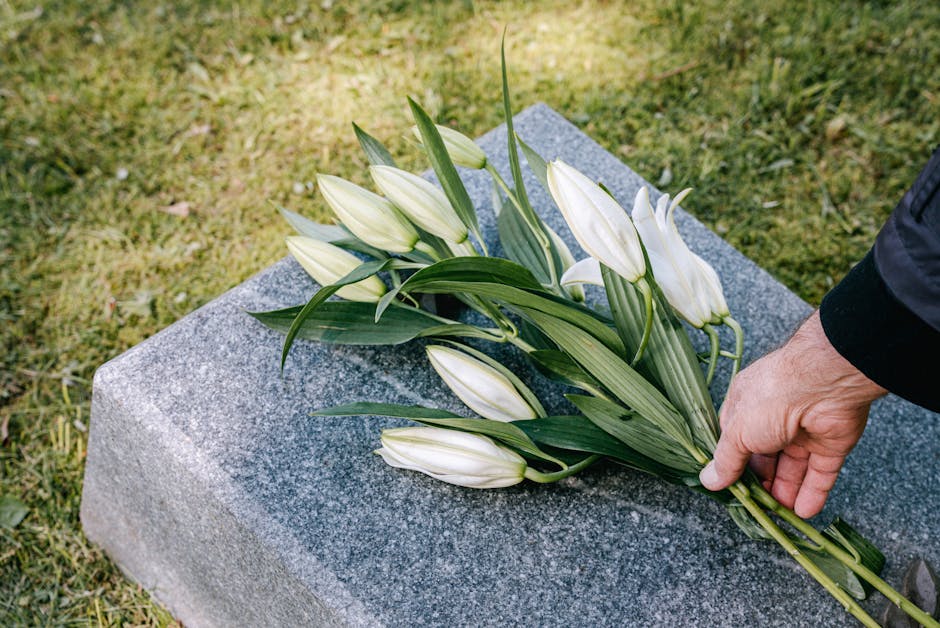
Table of Contents
- Why Funeral Flower Etiquette in the UK: What Families Should Order Matters
- How Funeral Flower Etiquette in the UK: What Families Should Order Works
- Key Benefits and Practical Advantages
- Who This Is For and When It Makes Sense
- Step-by-Step Guidance
- Expert Tips for Better Results
- Common Mistakes to Avoid
- Tools, Resources and Recommendations
- Law, Compliance, Standards, or Best Practice
- Options, Methods, or Comparison Table
- Case Study or Real-World Example
- Practical Checklist
- Conclusion
- Frequently Asked Questions
Why Funeral Flower Etiquette in the UK: What Families Should Order Matters
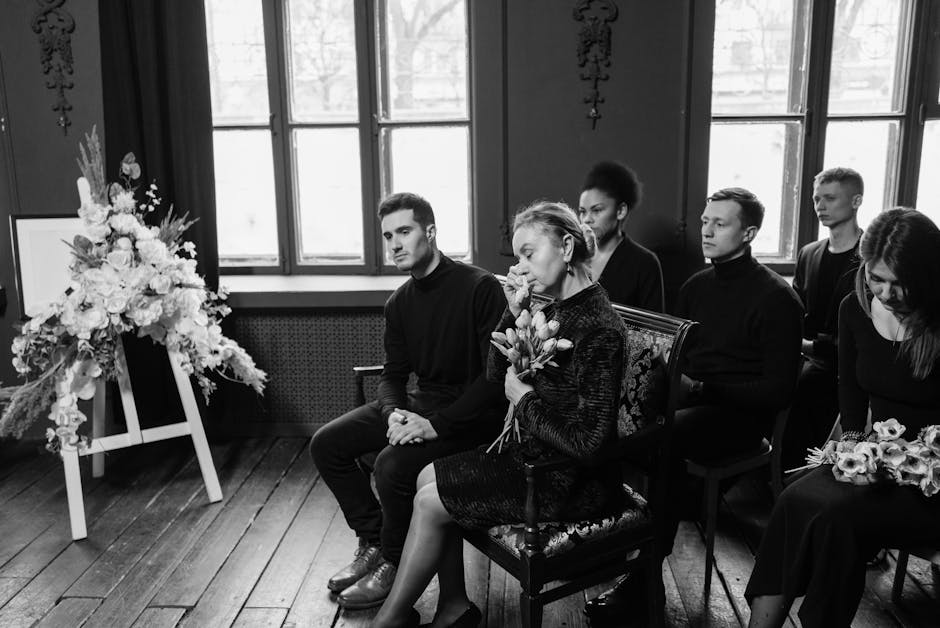
Funeral flowers are not just decoration. In the UK, they help create a tone of remembrance, care, and quiet dignity. They can frame the service, mark the casket, and give mourners a place to focus when words feel a bit thin. That is why etiquette matters. It helps families choose the right style, the right message, and the right place for each tribute.
There is also a practical side. Funeral venues, crematoriums, churches, and funeral directors often work to specific expectations about size, placement, and timing. A large casket spray has a different role from a small posy, and a family tribute may be displayed more prominently than flowers sent by friends. If everyone understands the hierarchy, the day runs more smoothly. No fuss, no awkward rearranging at the door.
Etiquette also protects meaning. A grand arrangement can feel entirely right for a close family member, while a simpler tribute may be more suitable for a neighbour, colleague, or extended relative. Likewise, colour and flower choice can carry different messages. White is still the safest and most traditional choice for many funerals, but soft pinks, purples, and mixed sympathy arrangements are widely accepted too. Truth be told, the best tribute is usually the one that reflects the person being remembered, not just a rulebook.
And then there is the emotional part. Families often feel under pressure to "do the right thing" at a time when they are already exhausted. Clear etiquette cuts through that pressure. It gives you permission to choose calmly, choose thoughtfully, and choose something that feels right.
How Funeral Flower Etiquette in the UK: What Families Should Order Works
In UK funeral practice, the family usually orders the main tribute first. This may be a casket spray, coffin spray, coffin heart, wreath, tribute letters, or a special family arrangement. Once that is settled, close relatives and friends decide whether they want to send their own flowers or, in some cases, contribute to a larger family display.
Most arrangements fall into a few recognisable categories:
- Casket sprays - large arrangements that sit on the coffin or casket.
- Wreaths - circular tributes, often chosen for their symbolism of eternal life.
- Sprays - elegant, elongated tributes that work well on display tables and coffins.
- Posies and baskets - smaller, manageable tributes that are easier to place and transport.
- Letter tributes - initials or names spelled out in flowers, usually ordered by close family.
- Crosses, hearts and cushions - more personalised shapes that reflect faith, affection, or memory.
A useful way to think about it: the closer the relationship, the more personal and prominent the tribute usually becomes. For example, immediate family may choose a large casket spray or a named tribute, while friends and wider family might choose a wreath or a smaller basket or posy tribute. That isn't a hard rule, but it is a common and respectful pattern.
Flower selection matters too. In British funeral floristry, white lilies, roses, chrysanthemums, carnations, alstroemeria, and mixed sympathy designs are all common. Some families prefer a purely white scheme, while others want the arrangement to reflect a favourite colour or the deceased person's personality. A good florist will guide you through what works visually and what fits the service setting.
Timing is another part of the process. Funeral flowers generally need to arrive before the service, often through the funeral director or directly to the venue with clear instructions. When time is tight, a same-day delivery option can be very helpful, though it is always wise to check cut-off times and venue access details first.
Key Benefits and Practical Advantages
Ordering funeral flowers carefully is about more than looking polished. It can genuinely help the family and guests feel supported on the day.
- It reduces stress. Clear choices mean fewer last-minute discussions between relatives.
- It creates a coherent tribute. Colours, flowers, and shapes can work together rather than clash.
- It helps honour the person properly. A tribute can reflect faith, character, personality, or family tradition.
- It avoids venue problems. The right size and format are easier for funeral directors to place safely.
- It respects budget boundaries. Not every family wants or needs a huge display, and that is perfectly fine.
There is also a subtle emotional benefit that people don't talk about enough. When the flowers are right, the room often feels more settled. You might notice it in the quiet before a service begins - the scent, the stillness, the way a simple white wreath can hold a lot of feeling without saying a word. Small thing, perhaps. But not really.
For families trying to balance sentiment with spending, browsing a dedicated funeral flower collection or looking at sympathy flowers can make decisions much easier. You can compare styles without starting from scratch.
Who This Is For and When It Makes Sense
This guidance is mainly for immediate family, but it helps anyone who has a role in arranging the service or sending flowers with care.
- Spouses and partners planning the main tribute.
- Children and grandchildren choosing personalised arrangements or tribute wording.
- Parents and siblings helping shape family flowers.
- Friends or colleagues wanting to send something respectful but not intrusive.
- Funeral executors and organisers coordinating several tributes at once.
It makes sense whenever the family wants clarity. That could be after a sudden bereavement, after a long illness, or when the funeral is being organised quickly and no one is quite sure what should happen next. It also matters more when there are cultural or faith considerations. For example, some families may prefer very specific colours or symbolic shapes, while others may ask for no flowers at all. Always follow the family's wishes first.
If you are deciding on a tribute for someone close, you may feel drawn to something personalised, such as a name tribute, heart, or wreath. If you are choosing for a wider family member, a dignified design from the tributes range is often a thoughtful middle ground.
Step-by-Step Guidance
- Check the family wishes first. Some families request flowers, some request donations, and some prefer both. If the notice is unclear, ask gently.
- Decide who the tribute is from. Immediate family usually order the main arrangement; friends may send a smaller tribute.
- Choose the right format. Casket spray, wreath, posy, heart, cross, cushion, or letters - each has a different role.
- Select colours with care. White is traditional, purple is often associated with dignity and remembrance, and mixed colours can feel warmer or more personal.
- Pick flowers that suit the message. Lilies, roses, carnations, chrysanthemums, alstroemeria, hydrangeas, and germini are all common sympathy flowers.
- Write the card wording. Keep it short, sincere, and readable at a glance.
- Confirm delivery details. Funeral directors often need the time, venue, and service date clearly stated.
- Double-check names and spellings. This sounds obvious. It still goes wrong more often than people think.
A simple way to narrow things down is to ask: who will be looking at this arrangement, and from what distance? A coffin spray needs visual impact. A table posy needs balance and neatness. A small family cluster in the chapel may need something more restrained. That one question can save a lot of second-guessing.
For close family, many florists suggest starting with a larger design such as a wreath or spray, then adding smaller supplementary pieces if needed. A good example is pairing a statement piece with a smaller tribute from a child or grandchild. If the person loved classic white flowers, a white sympathy design is often a safe and elegant starting point.
Expert Tips for Better Results
Here's where a few florist-side habits make a real difference.
Keep the wording plain and legible. Funeral cards are read quickly, often by relatives standing together. Short phrases usually work best. "With love and deepest sympathy" is still better than trying to write a paragraph.
Choose proportion over grandeur. Bigger is not always better. A beautiful medium-sized tribute can look far more dignified than an oversized arrangement that overwhelms the casket or overwhelms the room.
Think about the venue. Churches, crematorium chapels, and funeral homes all have different display spaces. If the service is small, a compact wreath or posy may be more fitting than a very large spray.
Use colour deliberately. White and green feel traditional and serene. Purple often carries a sense of dignity. Pink can soften the mood. Mixed colours can celebrate personality - especially for someone who loved gardens, brightness, or cheerful things.
Don't forget the practical side. If the family wants flowers delivered quickly, choose a florist with local delivery support and a clear sympathy range. That saves stress when the funeral date is suddenly moved, which, lets face it, happens more than people expect.
When in doubt, a florist choice sympathy arrangement can be a smart option because it gives the designer room to select the freshest blooms available. That can be especially useful if you want something tasteful but do not want to make every single decision yourself.
For families wanting a softer, elegant shape, a wreath is still one of the most dependable choices. For something a little fuller and easier to place, consider a sympathy spray. Both are widely understood in UK funeral settings.
Common Mistakes to Avoid
Most mistakes are well-intentioned. That's the tricky part. They happen because people are rushing, grieving, or trying to be helpful.
- Ordering the wrong size. A massive arrangement can crowd the service area, while a tiny one may disappear on the day.
- Using bright celebration colours without context. Bold colour can be beautiful, but it needs to fit the family's wishes and the tone of the service.
- Forgetting the relationship hierarchy. Immediate family should usually be the ones choosing the main tribute.
- Sending flowers when donations were requested. This is a common etiquette slip, and easy to avoid if you read the notice carefully.
- Leaving delivery instructions vague. "The funeral home in town" is not enough. Be precise.
- Writing a card that is too long. It may sound heartfelt, but it can be awkward for the florist to attach and hard for others to read.
Another common issue is not checking whether the venue allows flowers near the coffin at all stages of the service. In some places the flowers are moved after the ceremony. In others, they stay in view throughout. It's a small detail, but it affects what you should order.
If you want a tribute that feels safe and polished without too much risk, a simple white or mixed sympathy design is often easier than an elaborate bespoke request made in a hurry. That said, the most meaningful flower arrangement is still the one that reflects the person being honoured.
Tools, Resources and Recommendations
You do not need special software or a big planning system to order funeral flowers well. A few practical tools help more than anything else.
- A written note of the service details - venue, date, time, contact name, and any access instructions.
- A short message draft - so the card wording can be approved quickly.
- A photo or memory cue - something the florist can use to guide colour or style, if appropriate.
- A budget range - even a rough one helps narrow the options fast.
- Supportive product categories - such as sympathy gifts and flowers, white flowers, or a gentle purple arrangement for a dignified tribute.
For many families, the easiest route is to begin with funeral-specific products and then refine from there. If you're comparing options, look at the main tribute categories first, then decide whether a card, a smaller posy, or a family message should be added. That sequence tends to keep things under control.
If budget is part of the conversation, that is completely normal. A respectful funeral tribute does not have to be the most expensive thing in the room. You can still choose something meaningful and beautifully made, whether you are looking for budget-friendly flowers or a more premium tribute.
Law, Compliance, Standards, or Best Practice
There is no single UK law that dictates exactly which funeral flowers families must order. In practice, the rules are more about venue requirements, family preference, and respectful custom. That said, a few standards and best practices are worth following carefully.
- Follow the family's instructions first. If they request donations instead of flowers, respect that.
- Check venue policies. Funeral homes and crematoriums may have their own rules on timing, access, and placement.
- Use clear delivery information. The florist needs the correct venue name, service time, and any order reference the funeral director provides.
- Avoid misleading wording. If a tribute is from a group, name the group honestly. Do not overstate closeness or relationship.
- Be culturally sensitive. Different faiths and communities have different traditions around flowers, colour, and symbolism.
In the UK, best practice is usually shaped by dignity and practicality. Funeral directors often appreciate tributes that are easy to identify and place, and families usually prefer arrangements that do not need awkward adjustments on the day. Simple, clear, respectful - that's the standard most professionals quietly aim for.
If you are ever uncertain, ask the florist or funeral director directly. A quick question now is much better than a difficult conversation later.
Options, Methods, or Comparison Table
Below is a simple comparison to help families decide what to order and who it suits best.
| Tribute type | Best for | Why families choose it | Practical note |
|---|---|---|---|
| Casket spray | Immediate family | Main tribute, prominent and formal | Usually placed on the coffin or casket |
| Wreath | Close family, friends, colleagues | Traditional, symbolic, versatile | Works well in churches and crematorium chapels |
| Posy or basket | Friends, extended relatives, neighbours | Compact and manageable | Useful where space is limited |
| Letter tribute | Close family | Personal, highly recognisable | Best ordered early because it is bespoke |
| Heart or cross | Family with a faith or love-led message | Strong symbolism and emotional clarity | Choose these when the shape adds meaning |
| Sympathy spray | Anyone wanting a balanced tribute | Elegant, neat, and widely accepted | Often a reliable middle choice |
If you want the safest all-round option, a sympathy spray or wreath is usually a sensible choice. If you want the most personal option, letter tributes or named hearts can feel very powerful. The right answer depends on the relationship, the venue, and how much visual prominence you want.
Case Study or Real-World Example
A family organising a crematorium service in the Midlands wanted something understated but meaningful. The deceased had always preferred simple things: white flowers, a tidy garden, and no fuss. The immediate family ordered a white casket spray with lilies and roses, then added a smaller wreath from grandchildren and a compact posy from close friends.
At first, they considered a very large mixed arrangement because they thought it would "look fuller." But once they spoke with the florist and checked the chapel layout, they realised that would have been too much. The final combination worked better: the main tribute carried the emotion, while the smaller pieces gave everyone a way to take part without crowding the space.
What made the order successful was not expense. It was clarity. The family agreed on a colour scheme, matched the shapes to the relationships, and kept the wording short. One aunt later said the flowers looked "just right" - not showy, not bare, simply respectful. That's often the sweet spot.
If the family had been unsure where to begin, a straightforward option from the funeral range would have helped them move faster. A calming white design, a soft purple tribute, or a family-friendly basket can all work well depending on the person being remembered.
Practical Checklist
Use this before you place the order. It keeps the process tidy.
- Have the service date, time, and venue details ready.
- Confirm whether the family wants flowers, donations, or both.
- Decide who the tribute is from.
- Choose the tribute type: spray, wreath, posy, heart, cross, basket, or letters.
- Pick a colour theme that suits the person and the service.
- Keep the card message short and sincere.
- Check any faith or cultural preferences.
- Ask about delivery timing and venue access.
- Review spellings carefully.
- Allow a little margin if the service date might change.
Quick rule of thumb: the closer the relationship, the more personal the tribute can be. The more formal the setting, the more important it is to keep the design balanced and dignified.
Conclusion
Funeral flower etiquette in the UK is less about rigid rules and more about respectful judgement. Families should order tributes that match the relationship, the venue, and the tone of the service. For most situations, a casket spray, wreath, or sympathy spray will feel appropriate; for close family, a personalised tribute can carry real meaning. White remains the most traditional colour, but soft purples, pinks, and mixed sympathy designs all have their place when chosen thoughtfully.
The safest path is simple: listen to the family's wishes, match the tribute to the service, and keep the message sincere. If you do those three things, you are already doing very well. Honestly, that's enough for most people.
If you need something practical and beautifully chosen, start with a dedicated funeral or sympathy collection and build from there. It makes the process calmer, clearer, and a lot less stressful when time is tight.
Get a free quote today and see how much you can save.
In the end, the best funeral flowers don't just look right - they feel right. That matters more than perfect wording ever will.
Frequently Asked Questions
What funeral flowers should family members order in the UK?
Immediate family usually order the main tribute, such as a casket spray, wreath, or a personalised arrangement. Close relatives often choose a smaller wreath or posy. The exact choice depends on the service, the venue, and the family's wishes.
Is white the correct colour for funeral flowers?
White is the most traditional and widely accepted colour in UK funeral floristry because it feels calm, respectful, and timeless. That said, purple, pink, green, and mixed colours can also be appropriate if they suit the person being remembered.
What is the difference between a wreath and a spray?
A wreath is a circular tribute symbolising remembrance and continuity. A spray is a longer, flatter arrangement that often sits across a coffin or on a display stand. Both are common, but sprays are usually more coffin-focused.
Should family order flowers or ask for donations instead?
That depends on the family's preference and sometimes the deceased person's wishes. If the notice says donations only, follow that. If it says flowers welcome, then either flowers or a donation can be appropriate.
How far in advance should funeral flowers be ordered?
As early as possible, ideally once the service date is confirmed. If the funeral is soon, many florists can still help quickly, but clear delivery details become especially important.
Can you send funeral flowers on the day of the service?
Yes, but timing matters. Funeral flowers should normally arrive before the service or at the time specified by the funeral director. Always confirm venue access and delivery instructions first.
What should be written on a funeral flower card?
Keep it short and sincere. Common wording includes "With deepest sympathy," "Forever in our hearts," or "With love and fond memories." If the tribute is from a family group, add the names clearly.
Are colourful funeral flowers considered rude?
No, not if they are chosen thoughtfully. While white is traditional, many families now choose colour to reflect personality, faith, or a favourite flower. The key is matching the tone of the service.
What if the family wants something personalised?
Personalised tributes such as letters, hearts, crosses, or named arrangements are common in the UK. These should usually be ordered early, especially if the tribute needs to be made to a specific size or shape.
How much should families spend on funeral flowers?
There is no fixed amount. Budgets vary widely, and the right spend depends on the relationship and the type of tribute. A smaller, well-chosen arrangement can be just as meaningful as a larger one.
Can funeral flowers include the person's favourite blooms?
Absolutely. Using favourite flowers is often one of the most meaningful touches a family can add. It can make the tribute feel personal without needing elaborate design.
What flowers are most commonly used in UK funerals?
Lilies, roses, chrysanthemums, carnations, alstroemeria, and mixed sympathy flowers are all commonly used. Each brings a slightly different look, from classic and formal to soft and natural.
Do funeral directors usually accept all tribute sizes?
Not always. Some venues have space limits or display preferences, so it is wise to check. A florist can help you choose a tribute that suits the setting without compromising the sentiment.
Can friends send funeral flowers, or is that only for family?
Friends can absolutely send funeral flowers. A smaller wreath, posy, or sympathy spray is often appropriate. The main thing is to keep the message respectful and avoid competing with family tributes.