DIY Wedding Table Flowers vs Hiring a Florist: Practical Guide
Posted on 15/05/2026
Planning wedding flowers for the tables sounds simple right up until you start pricing stems, checking venue timings, and wondering whether the buckets of blooms in your kitchen will still look fresh by the time guests sit down. That is exactly why this DIY Wedding Table Flowers vs Hiring a Florist: Practical Guide matters. The decision is not just about money. It affects your schedule, stress levels, design consistency, and how smoothly the whole day runs.
Some couples love the idea of arranging their own centrepieces. Others want a florist to take the pressure off and create something polished with less guesswork. Most people sit somewhere in the middle. The trick is knowing which option genuinely suits your budget, your venue, and your tolerance for last-minute faff. Lets face it, a wedding morning already has enough moving parts.
Below, you will find a practical, UK-friendly breakdown of both routes, including costs, risks, time planning, and when it makes sense to combine approaches. There are also useful links to flower collections and wedding arrangements if you want to explore styles as you go, such as wedding table arrangements, wedding flowers and collections, and broader inspiration from luxury flowers or best sellers.
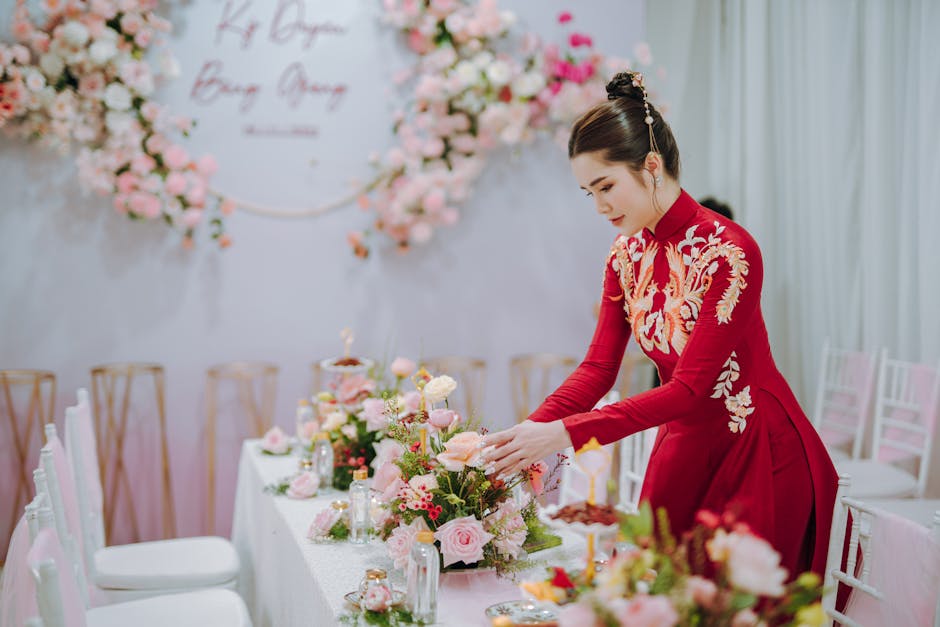
Table of Contents
- Why DIY Wedding Table Flowers vs Hiring a Florist: Practical Guide Matters
- How DIY Wedding Table Flowers vs Hiring a Florist: Practical Guide Works
- Key Benefits and Practical Advantages
- Who This Is For and When It Makes Sense
- Step-by-Step Guidance
- Expert Tips for Better Results
- Common Mistakes to Avoid
- Tools, Resources and Recommendations
- Law, Compliance, Standards, or Best Practice
- Options, Methods, or Comparison Table
- Case Study or Real-World Example
- Practical Checklist
- Conclusion
- Frequently Asked Questions
Why DIY Wedding Table Flowers vs Hiring a Florist: Practical Guide Matters
Wedding table flowers are one of those details people notice without always realising why. They shape the mood of the room. A few well-chosen arrangements can make a budget venue feel elegant; the wrong scale or style can make an otherwise beautiful table feel cluttered, sparse, or a bit lost.
This choice matters because table flowers are not just decorative. They influence:
- your overall wedding budget
- the amount of time you or your family spend preparing
- how well the flowers hold up during transport and set-up
- the visual consistency across the room
- whether the styling feels intentional or improvised
There is also the practical reality that weddings usually run to tight timings. If the ceremony finishes at 1pm and the room turnaround is 45 minutes, table flowers need to be ready before the room is opened. A florist plans around that. A DIY approach needs the same level of planning, just done by you.
For many couples, the biggest question is not "can we do this ourselves?" but "should we?" That is a better starting point. Some people genuinely enjoy arranging blooms. Others would rather spend the morning getting dressed, drinking tea, and not worrying whether the hydrangeas are drinking enough water. Fair enough.
If you want to see the kind of finished table styling a professional can produce, it helps to browse real examples like rose, orchid and lisianthus centrepieces or white lily, rose and orchid centrepieces. Seeing the end result often makes the decision clearer.
How DIY Wedding Table Flowers vs Hiring a Florist: Practical Guide Works
The two approaches are straightforward in theory, but they work very differently in practice.
DIY wedding table flowers
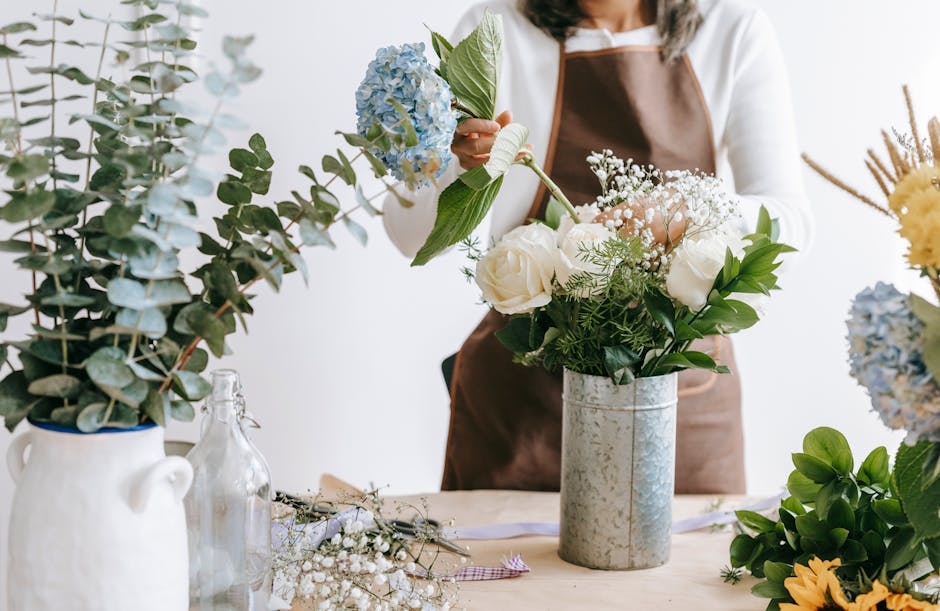
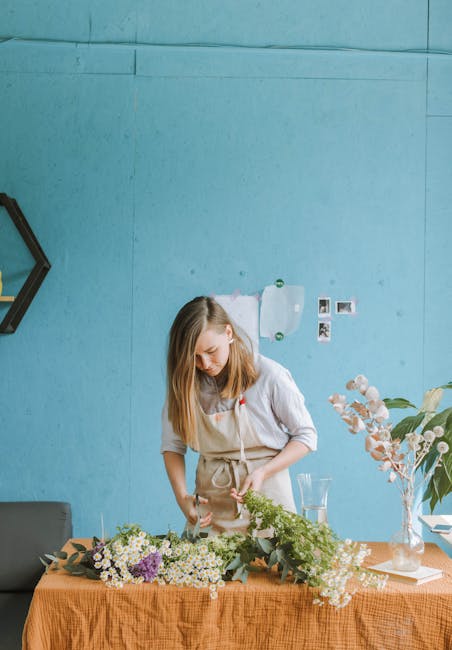
With DIY, you usually buy the stems yourself, condition them, trim them, and arrange them into centrepieces or garlands. That can mean supermarket flowers, wholesale stems, a florist's hand-tied bouquets broken down into smaller pieces, or a mix of all three. You also need containers, floral foam or alternative mechanics, snips, buckets, tape, ribbons, and somewhere cool to store everything.
A simple DIY table display might be a few single-variety jars, such as roses or carnations, while a more ambitious design may use layered textures like alstroemeria, germini, and lilies. If you want inspiration for flower types that work well in mixed arrangements, look at roses, carnations, alstroemeria, germini, and lilies.
Hiring a florist
With a florist, you brief them on the look you want, your colours, table sizes, venue access, and budget. They design, source, condition, and arrange the flowers. On the day, they usually deliver and install them, or provide a collection service depending on the agreement. That removes a lot of moving parts from your plate.
A florist also brings design judgement. They know how to scale arrangements to round tables, long banqueting tables, top tables, and awkward spaces. They know which flowers tolerate heat, travel, and handling better. That kind of judgement is hard to duplicate quickly, especially if you are juggling a dozen other wedding tasks.
Where the difference really shows
The practical difference usually comes down to three things: control, time, and risk.
- DIY gives you control over every stem and container.
- A florist gives you reliability and a more polished finish with less stress.
- Both can work beautifully if the scale matches your skill and schedule.
To be honest, the biggest mistake couples make is assuming DIY is only about "saving money." It can save money, yes, but only if you account for every hidden item: snips, ribbon, vases, glue, transport, parking, extra flowers for breakage, and the cost of your own time.
Key Benefits and Practical Advantages
Both choices have real benefits. The right one depends on what you value most.
Benefits of DIY wedding table flowers
- Lower upfront spend if you keep the design simple and buy in sensible quantities.
- Creative freedom if you want a very personal look.
- Flexible styling for intimate weddings, barns, garden receptions, and home-based celebrations.
- Shared experience if you enjoy doing prep with bridesmaids, parents, or friends the day before.
DIY often suits couples who like a hands-on project and have a relatively calm prep schedule. It can feel satisfying, too. There is something lovely about seeing a table that you actually built yourself. A little nerve-racking, but lovely.
Benefits of hiring a florist
- Less stress on the wedding week and the morning itself.
- Professional composition with better balance, height, and colour flow.
- Freshness management handled by someone who knows how to condition stems properly.
- More dependable logistics for delivery, set-up, and venue timing.
If your tables need cohesive styling across a whole room, a florist usually wins. They can coordinate centrepieces with bridal bouquets, bridesmaid bouquets, buttonholes, and even corsages so everything looks like part of the same story.
A quick truth about value
Value is not the same as cheapest. A DIY table centrepiece that looks tired by 4pm is not really good value. A florist arrangement that lasts beautifully through the reception, photographs well, and avoids stress may be worth every penny. The "best" option is the one that supports the day you want, not the one that looks cheapest on paper.
Who This Is For and When It Makes Sense
Some weddings are made for DIY flowers. Others really are not. Here is the practical split.
DIY makes sense if you are:
- planning a small or medium-sized wedding
- happy with simple, repeated designs
- comfortable working to a clear timeline
- able to store flowers somewhere cool and safe
- keen to keep the budget tight
- enjoying the creative process rather than fearing it
A small celebration with 6 to 8 tables and modest jars of mixed flowers is much more manageable than a 20-table banquet with tall arrangements. If your vision leans rustic, relaxed, or garden-inspired, DIY can be genuinely charming.
Hiring a florist makes sense if you are:
- planning a larger wedding or a complex venue layout
- working with a narrow set-up window
- wanting a luxury finish or bespoke design
- using delicate flowers that need expert handling
- already stretched thin with other planning jobs
If you are trying to coordinate multiple elements, a professional can save your sanity. Especially if the flowers need to travel across a city, fit into a venue loading bay, or be ready before the bridal party is even dressed. In London, for example, access and parking can matter as much as design. That little detail can change the whole experience.
There is also the hybrid route, which is often the smartest one. You could use a florist for key pieces and DIY the smaller tables. Or hire a florist for setup and use your own simple jars or candles around them. A blend like that can stretch the budget without sacrificing polish. You will see this a lot with couples who want a few showpiece arrangements and then simpler supporting florals from the same colour story, such as white blooms, pink flowers, purple flowers, or mixed-colour arrangements.
Step-by-Step Guidance
Whether you go DIY or hire a florist, the planning process should be handled in a similar order. The difference is who does the work.
1. Define the look first
Before prices, decide the style. Romantic and loose? Neat and modern? Low and candlelit? Wildflower-inspired? This matters because it changes the stem choice, vessel choice, and scale. A design brief is worth doing properly. Even a rough one.
2. Count every table and every extra surface
Do not only count guest tables. Think about:
- top table
- cake table
- welcome area
- guest book table
- bar or gift table
These small surfaces often get forgotten and then you end up with a room that feels unfinished.
3. Decide your floral structure
Choose one of these common formats:
- Single-stem bud vases for minimalist styling and easy DIY.
- Small clustered arrangements for a fuller, more traditional look.
- Low compotes or bowls for elegant table-friendly centrepieces.
- Garlands or floral runners for long tables and head tables.
Florist-made options like rose, lily and orchid centrepieces or roses and chrysanthemums wedding arrangements are useful references if you want to see what a more finished version looks like.
4. Build a realistic materials list
For DIY, write down everything. Stems, buckets, secateurs, vases, floral tape, ribbon, water tubes, clean cloths, transport boxes, and a backup plan. If you forget mechanics, the flowers may still be lovely, but they will not stay lovely for long.
5. Test one arrangement before committing
Do one sample arrangement a few weeks before the wedding. This is one of the most underrated steps. You will quickly learn whether your chosen blooms work together, whether the colours feel right in daylight, and whether the size suits your table. A ten-minute trial can save a lot of stress.
6. Plan transport and set-up
For DIY, ask who is driving, where the flowers will sit, and who is placing them on the tables. Flowers hate sudden heat, cramped boots, and unnecessary handling. For florists, confirm delivery times, venue access, and whether the venue staff will be signing for the order.
7. Build in a buffer
Always allow a little more time than you think. Flowers are a bit like people before a wedding - they do not always behave exactly as expected.
Expert Tips for Better Results
Here is the kind of advice that tends to separate a neat result from a stressful one.
- Choose hardy flowers for DIY. Roses, carnations, alstroemeria, chrysanthemums, and germini usually handle handling better than ultra-delicate blooms.
- Use one or two focal colours, then add one neutral or greenery-style anchor. This keeps tables cohesive and avoids a cluttered finish.
- Match table size to arrangement height. Low arrangements work best where guests need to see each other.
- Think about scent. Strongly scented flowers can be gorgeous, but on a dinner table they can dominate quickly.
- Keep the design repeatable. A wedding is not the time for six different mini-masterpieces unless you have a serious floral team.
In practice, a handful of simple, well-matched arrangements often looks better than one overly ambitious display. That is true whether you are DIYing or hiring a florist. Consistency usually beats complication.
If you want a softer romantic palette, you might explore options such as pink roses wedding arrangements or white roses wedding arrangements. For something richer and a bit more dramatic, red roses or purple and white roses can work beautifully.
One more small tip: photograph your sample arrangements in the actual venue light, if you can. Fairy lights, daylight, and overhead bulbs all change the mood. A bouquet that looks dreamy in a kitchen at noon may feel very different under warm evening lighting.
Common Mistakes to Avoid
Most wedding flower problems come from a handful of predictable mistakes. Avoid these and you are already ahead of the game.
- Underestimating time - DIY flowers always take longer than expected, especially if you are making more than a few tables.
- Buying too much variety - too many flowers, colours, or vessels can make the room feel messy instead of curated.
- Ignoring weather and venue conditions - heat, cold draughts, and direct sunlight all affect freshness.
- Forgetting mechanics - no water source, no foam alternative, no proper containers, no stability.
- Choosing fragile blooms for a full-day setup - some flowers look stunning but are not practical for DIY wedding table flowers.
- Not checking table dimensions - an arrangement can look tiny on a long table or overpower a small round one.
- Leaving delivery or collection unconfirmed - if you hire a florist, do not assume the logistics are "sorted" until they are written down.
There is also a common emotional mistake: thinking you must do everything yourself to make the day feel personal. Not true. Personal can mean choosing the right colours, selecting the flowers, or approving the final design. It does not have to mean carrying every vase yourself at 7:30am. Thank goodness.
Tools, Resources and Recommendations
If you are leaning toward DIY or a hybrid approach, having the right tools is half the battle.
Useful DIY tools
- sharp floral snips or secateurs
- clean buckets for conditioning stems
- vases, jars, bowls, or compotes
- waterproof tape and ribbon
- clean towels and cloths
- transport boxes or crates
- a cool, shaded storage area
Useful planning resources
It helps to browse actual wedding-ready product categories before settling your style. For example, wedding table arrangements are useful for understanding scale, while bridal bouquets and bridesmaid bouquets help you keep the floral language consistent across the day. If you want matching finishing touches, wedding gifts can also make thoughtful additions for the couple or the bridal party.
If budget is the driver, it is worth browsing a few lower-cost options too. A collection such as cheap flowers or a price-band like 40-50 can help you see what kind of value a florist can offer before you assume DIY is automatically cheaper.
Choosing flowers by colour and style
Colour choice affects the whole room. Soft white and pink can feel classic and airy, while purple, red, and mixed tones add warmth and drama. If your wedding sits in a more seasonal frame, summer flowers and autumn collections can help you narrow down the mood quickly.
And if you want a florist-led starting point rather than building everything from scratch, a page like florist choice is a sensible way to see how a professional might select the best stems for you.
Law, Compliance, Standards, or Best Practice
Wedding flowers are not heavily regulated in the way some industries are, but there are still a few standards and good-practice points worth respecting.
- Venue rules matter. Many venues have restrictions around open flames, glitter, water damage, or where deliveries can be left.
- Hygiene matters. Buckets, snips, and vessels should be clean, especially if flowers will sit near food or table settings.
- Access and insurance. Professional florists usually understand venue access, public liability expectations, and delivery coordination better than a casual supplier.
- Safe handling. If you are using glass, wire, pins, or floral foam alternatives, keep guests and venue staff in mind.
In the UK, the most practical "compliance" issue for most couples is actually venue coordination. Ask whether the florist or DIY team can deliver to the room, what time access starts, and who is responsible if the venue changes the setup schedule. That paperwork-y bit is boring, yes, but it saves chaos.
If you are planning a wedding in a city venue, especially in tighter areas such as central London, loading restrictions and parking can also become part of the flower plan. It is not glamorous, but it is real life. A florist who knows the local rhythm can be a big help.
Options, Methods, or Comparison Table
| Factor | DIY Wedding Table Flowers | Hiring a Florist |
|---|---|---|
| Upfront cost | Potentially lower, but depends on materials and waste | Higher upfront, with clearer all-in pricing |
| Time investment | High, especially in the final 24 hours | Low for the couple, medium for planning and briefing |
| Design quality | Depends on skill and rehearsal | Usually more polished and consistent |
| Risk of stress | Higher, especially with transport and timing | Lower, because logistics are handled professionally |
| Flexibility | Very high if you like experimenting | High, but usually within the florist's process and style |
| Best for | Small weddings, simple styling, hands-on couples | Busy couples, larger receptions, premium finishes |
There is no universal winner. The table simply shows where each route tends to shine.
If your tables are minimal and your venue is easy to access, DIY may feel beautifully doable. If your day has multiple moving parts, a florist often pays for itself in calm. And calm matters, probably more than people admit on planning forums.
Case Study or Real-World Example
Picture a couple planning a Saturday afternoon wedding in a village hall. They have eight round guest tables, one top table, and a modest drinks station. Their style is relaxed and seasonal, with soft pink, white, and a hint of greenery. They are comfortable with craft projects and have two helpful family members who enjoy arranging things.
They consider DIY first. It seems affordable, until they cost up the buckets, glass jars, ribbon, transport, extra flowers for spare stems, and the time needed to condition everything the day before. They also realise the hall will not let them in until late morning, which means the set-up window is short. Suddenly, DIY is still possible, but more stressful than it first looked.
They then ask a florist for a quote and compare it with the DIY total. The florist proposes a simple, repeated centrepiece style using hardy blooms, with delivery and set-up included. It is more expensive upfront, but the whole room will be ready before guests arrive. The couple decide on a hybrid: florist-made table centrepieces, with a few DIY jars for the welcome and gift tables.
The result is balanced. It looks cohesive, the setup runs smoothly, and nobody is scrambling around with scissors while the photographer is trying to capture the first look. That kind of compromise is common, and honestly, very sensible.
For a couple with a more romantic look, the same logic may lead them towards collections such as pure romance wedding collection, sincerely yours wedding collection, or the one wedding collection. Those sorts of names may sound poetic, but they help you picture the mood quickly, which is half the battle.
Practical Checklist
Use this checklist whether you choose DIY, a florist, or a blend of both.
- Choose your wedding table flower style early
- Count every table and display surface
- Confirm the venue's access and decoration rules
- Set a realistic floral budget with a small buffer
- Decide whether you want low, medium, or tall arrangements
- Match table flowers with bouquet and buttonhole styling
- Check which flowers are in season or readily available
- Request sample photos or create a practice arrangement
- Plan delivery, collection, and storage carefully
- Keep tools, buckets, water, and cleaning cloths ready
- Assign a reliable person to place flowers if needed
- Have a backup plan for breakages, late deliveries, or weather changes
Expert summary: If your wedding is small, simple, and hands-on, DIY table flowers can be a lovely project. If your wedding is busy, formal, or timing-sensitive, a florist usually gives you better peace of mind. The best choice is the one that fits your venue, schedule, and energy - not just your Pinterest board.
Conclusion
Choosing between DIY wedding table flowers and hiring a florist is really about deciding where you want to spend your energy. DIY can be creative, personal, and budget-friendly when the design is simple and the logistics are kind. Hiring a florist brings consistency, expertise, and a calmer wedding day, especially when the table styling needs to look polished across an entire room.
The most practical approach is to be honest about your time, your confidence, and the complexity of your venue. If you are leaning DIY, keep the design repeatable and realistic. If you are leaning florist, ask for clear examples, timings, and delivery details. And if the answer is a bit of both, that is absolutely fine too. Many of the best wedding flowers are built that way.
In the end, the flowers should support the feeling of the day: warm, welcoming, and unmistakably yours. That is the bit guests remember, long after the last petal has been cleared away.
Get a free quote today and see how much you can save.
Frequently Asked Questions
Are DIY wedding table flowers actually cheaper than hiring a florist?
Sometimes, yes, but not always. DIY can save money if you keep the design simple and already have containers or helpers. Once you include vases, tools, transport, spare blooms, and your time, the gap can shrink quite a bit.
What flowers are best for DIY wedding centrepieces?
Hardier flowers usually work best, especially roses, carnations, alstroemeria, chrysanthemums, germini, and some lilies. They are generally easier to handle and tend to stay looking good for longer than more fragile stems.
How far in advance should I plan wedding table flowers?
Start planning styles and budgets a few months ahead. If you are DIYing, build a realistic prep schedule for the week before the wedding. If you are using a florist, book as early as you can once the venue and date are confirmed.
Can I mix DIY flowers with florist arrangements?
Yes, and it is often a smart choice. Many couples hire a florist for the main table pieces and DIY smaller accents like welcome table jars or side displays. It can keep the room cohesive without making the budget feel stretched.
What is the biggest risk with DIY wedding table flowers?
The biggest risk is timing. Flowers can be beautiful and still become stressful if you run out of setup time, storage space, or hands on the day. Transport and freshness management are the other common pressure points.
Do florists usually set up the table flowers at the venue?
Many do, though it depends on the package. Some deliver only, while others handle full installation. It is worth asking early because setup support can make a big difference on a busy wedding day.
How do I choose the right size for table flowers?
Think about the table shape, guest count, and sightlines. Low arrangements work well when you want guests to talk comfortably across the table. Taller pieces suit formal rooms better, but they should not block conversation or feel top-heavy.
What should I ask a florist before booking?
Ask about flower choices, seasonal availability, delivery timing, venue setup, what happens if a stem type is unavailable, and whether breakdown or collection is included. Clear answers now help avoid awkward surprises later.
How can I make DIY flowers look more professional?
Stick to a limited colour palette, repeat the same arrangement style across the room, and use plenty of conditioning time. A neat, repeated look almost always feels more polished than trying to do too many different things.
Are there any venue rules I should check before choosing flowers?
Yes. Ask about access times, where flowers can be delivered, whether candles or foam are allowed, and how early the room can be dressed. Some venues are very flexible; others are not. Better to know now than on the day.
Which is better for a large wedding: DIY or florist?
A florist is usually the safer option for a large wedding, mainly because of scale and timing. More tables mean more flowers, more setup, and more opportunities for things to go a bit sideways. DIY can still work, but it needs strong organisation and extra help.
Can wedding table flowers be ordered with other matching wedding items?
Yes, and that often creates a more coherent look. Matching bouquets, buttonholes, corsages, and table flowers can all be coordinated so the whole wedding feels intentional rather than pieced together. If you are browsing options, bridesmaid bouquets and buttonholes are useful companions to table styling.
What if I want the flowers to match a seasonal theme?
That is a great idea. Seasonal styling can simplify everything because the colours and stems feel naturally connected. A florist can guide you, or you can use seasonal collections such as summer or autumn-inspired flowers to narrow the palette. It usually makes decisions easier, not harder.
Should I choose florist table flowers if I am not creative?
If you do not enjoy crafting or visual planning, a florist may be the better fit. There is nothing wrong with that at all. Your job is to enjoy the wedding, not become a temporary florist under pressure.