Average UK Flower Delivery Costs Explained: What You're Paying
Posted on 16/09/2026
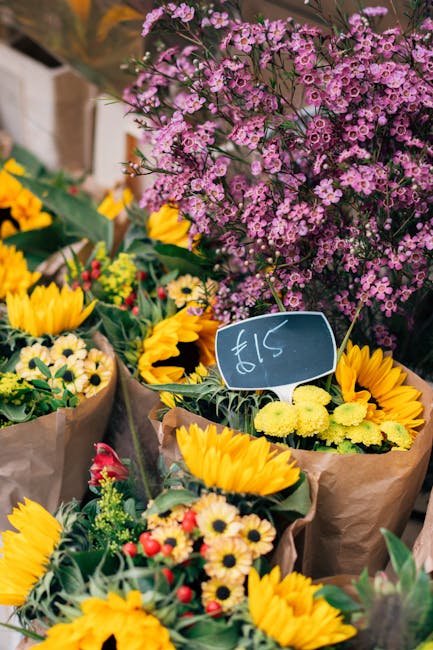
If you've ever looked at a bouquet online and thought, "Why does this one cost GBP25 and that one suddenly jumps to GBP45?" you're not alone. Flower pricing in the UK can feel a bit mysterious at first glance, especially once delivery charges, card add-ons, and seasonal demand get involved. This guide to Average UK Flower Delivery Costs Explained: What You're Paying cuts through the confusion and shows you what typically sits behind the price tag, so you can choose with more confidence.
Truth be told, most people aren't just paying for stems. They're paying for sourcing, design time, packaging, transport, timing, and sometimes a very small miracle involving same-day delivery and a driver trying to beat the rain. Let's unpack it properly.
Why Average UK Flower Delivery Costs Explained: What You're Paying Matters
Flower delivery isn't one of those purchases most people make every day, which is exactly why the pricing can catch you out. You might be buying a birthday bouquet, a sympathy arrangement, or a last-minute thank-you gift, and the decision often happens quickly. That's when understanding the real cost becomes useful.
The headline bouquet price is only part of the story. Delivery fees, card messages, weekend surcharges, premium stems, and timing all affect the final total. If you only compare the bouquet photo and ignore the fine print, you can end up spending more than you expected for something that looked "cheap" online.
It also matters because flowers are emotional purchases. Nobody wants to send a birthday gift that arrives underwhelming, wilted, or late. And nobody wants to overpay just because the checkout page is clever. Not fun. Not ideal.
For many buyers, the goal is simply to find good value: a bouquet that looks generous, arrives fresh, and suits the occasion without unnecessary extras. That's where cost awareness helps. Once you know what drives the price, you can decide whether you're paying for style, convenience, speed, or all three.
As a practical example, a florist's choice arrangement may offer better value than a heavily branded bouquet if you care more about overall impact than a specific flower name. On the other hand, if you need red roses for an anniversary or a sympathy spray for a more formal moment, paying a little more for the right design makes sense.
How Average UK Flower Delivery Costs Explained: What You're Paying Works
Flower delivery pricing in the UK usually follows a simple structure, even if the presentation is a bit dressed up. You're typically paying for three things: the flowers themselves, the florist's work, and the delivery service.
That sounds straightforward, but each part can shift depending on the order. A small mixed bunch from the cheap flowers range may be priced differently from a premium hand-tied bouquet such as luxury flowers. Delivery may also change based on postcode coverage, route distance, and whether you need same-day service.
Here's the basic flow most people experience:
- You choose the bouquet or arrangement.
- The florist sources or prepares the stems.
- Packaging, hydration, and presentation materials are added.
- The order is dispatched by local courier or florist delivery.
- Any extras, such as cards or balloons, are added to the basket.
The final price can move up or down depending on flower type, size, season, and urgency. For example, roses and lilies often carry different cost profiles from alstroemeria or chrysanthemums, largely because of supply, popularity, and how each flower is handled. If you want a quick browse across styles, the all flowers collection is a useful way to compare what is available without guessing from a single page.
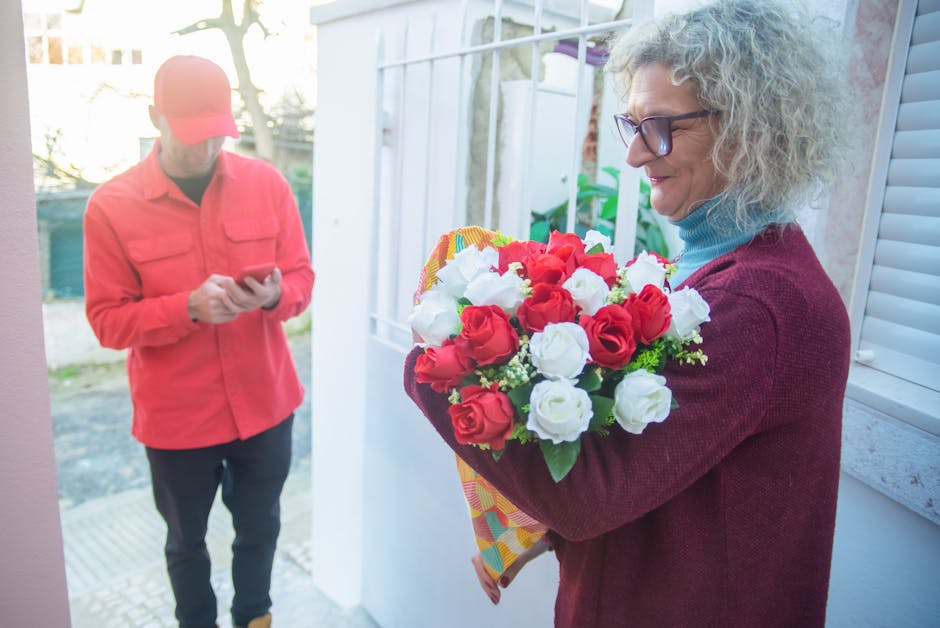
Delivery itself can be one of the most misunderstood costs. Some florists build it into the bouquet price; others show it separately at checkout. Same-day delivery often costs more because it requires tighter scheduling and a smaller window to get the flowers out the door. And yes, on busy dates like Valentine's Day or Mother's Day, you'll usually feel the squeeze a bit.
That doesn't mean the price is unfair. It just means the service is being shaped by logistics. Fresh flowers are perishable, and timing matters. You can't leave a bouquet on the shelf like a candle or a mug. It's a more delicate business, really.
Key Benefits and Practical Advantages
Understanding flower delivery costs gives you more than budgeting clarity. It helps you buy better.
First, it makes comparison easier. Once you know which charges are normal and which are inflated, you can compare florists on value instead of on the prettiest photo alone. That's a big difference, especially when two bouquets look similar but one quietly adds delivery, card, and weekend surcharges at the end.
Second, it helps with occasion matching. A small gesture for a colleague does not need the same spend as a major anniversary or sympathy tribute. If you need something simple and tasteful, options like any occasion or florist choice often make strong value-based starting points.
Third, it reduces stress. When you know what contributes to the price, you stop second-guessing yourself at checkout. You can focus on whether the bouquet feels right for the person, not whether you're being quietly upcharged for the ribbon. Which, let's face it, is the kind of thing nobody wants to think about while buying flowers.
There's also a quality advantage. Higher prices sometimes reflect better stem selection, fuller designs, or more careful hand-finishing. That doesn't automatically mean "expensive is best," but it does explain why some arrangements feel noticeably more substantial when they arrive on the doorstep.
If you're buying with a fixed budget, the smartest move is to work backwards from the total you want to spend, not just the bouquet price. A GBP30 arrangement with GBP7 delivery may not be better value than a GBP33 arrangement with delivery included. Small difference, big outcome.
Who This Is For and When It Makes Sense
This topic is useful for almost anyone who buys flowers online or over the phone in the UK, but it matters most if you're trying to balance sentiment with sensible spending.
You'll find it especially helpful if you are:
- sending a last-minute gift and want to avoid checkout surprises
- comparing local florist options with supermarket-style bouquets
- buying for birthdays, anniversaries, apologies, or new baby celebrations
- planning a wedding, funeral, or large event where costs multiply quickly
- trying to understand why premium bouquets cost more than expected
- shopping for same-day delivery and need to know what premium you're paying
It also makes sense for people who order flowers regularly. If you send bouquets a few times a year, a little knowledge goes a long way. You start spotting patterns: seasonal pricing, cheaper stem combinations, and the difference between a full-looking modest bouquet and a sparse one that just happens to be dressed up well.
For gifting occasions, certain ranges naturally suit different budgets. A birthday order might fit well with birthday flowers or a bouquet paired with birthday cards. For a more romantic purchase, romance and love styles often carry a different price point because they lean on premium blooms and more elaborate presentation.
And if you're buying for a more formal or sensitive moment, the cost structure changes again. Sympathy and funeral flowers may involve larger designs, specific shapes, and more careful handling. That's not just decoration; it's part of the message.
Step-by-Step Guidance
If you want to understand exactly what you're paying for, use this simple process before you place an order.
1. Start with the total budget, not the bouquet photo
Decide your full spend first. Include the bouquet, delivery, and any extras. This keeps you from falling for a lovely-looking arrangement that becomes expensive only after checkout. Happens all the time.
2. Check what is included in the listed price
Some products include packaging, water source, and presentation already. Others are more bare-bones and expect add-ons later. Read the product wording carefully. If the bouquet looks heavily styled but the description is sparse, treat it as a clue, not a promise.
3. Compare flower types and stem counts
The blooms themselves matter. Roses, tulips, lilies, and hydrangeas may all sit at different price levels. Seasonal flowers can be better value than out-of-season favourites. A mixed design can sometimes look fuller than a single-variety bouquet at the same spend.
4. Decide whether timing is worth the extra cost
Standard next-day delivery is often cheaper than same-day or timed delivery. If the occasion is flexible, giving the florist a little more breathing room can save money. If the flowers need to arrive before a birthday lunch or a condolence visit, paying extra may be worth it for peace of mind.
5. Review add-ons honestly
Cards, balloons, teddy bears, chocolates, and special wrapping look attractive, but they add up fast. A card and bouquet can be meaningful without turning into a gift basket. For a more complete present, something like flowers and chocolate may make sense. For a simpler gift, maybe not.
6. Look for value in the design style
Some arrangements are priced higher because they're more structurally complex. Baskets, sprays, posies, vase arrangements, and tributes each have different labour and material demands. A vase arrangement, for instance, may feel more premium because the recipient doesn't have to find one. Nice touch, that.
7. Match the arrangement to the occasion
Choosing the right category avoids waste. A cheerful mixed bouquet may be perfect for a new home or thank-you gift, while a more formal arrangement is better for sympathy or remembrance. If you want to browse occasion-led options, the thank you and thinking of you ranges are good examples of how intent can shape price and presentation.
Expert Tips for Better Results
After a while, you notice that better flower buying is less about finding the cheapest listing and more about knowing where value hides.
Tip one: choose seasons wisely. Seasonal blooms tend to be fresher and more affordable because supply is stronger. A summer selection such as summer or summer flowers may stretch your money further than a heavily imported option at the wrong time of year.
Tip two: use florist's choice when you're flexible. If colour theme matters less than impact, let the florist build the bouquet from the best available stems. It often improves value because the florist can work with stock that is fresh and already in hand.
Tip three: think in height and fullness, not only in flower count. A bouquet can look generous because of the way it's arranged, not because it contains a huge number of stems. That's not a trick; it's design. And design does matter.
Tip four: don't ignore the category of flowers used. A bouquet made with roses, alstroemeria, carnations, and germini can often provide a very different price-to-size ratio than one built around premium stems alone. If you're comparing, the roses, alstroemeria, and carnations collections help you see how different blooms sit in the mix.
Tip five: pay attention to delivery day. Midweek orders can sometimes be less pressured than weekend or peak-date deliveries. If the recipient doesn't need them on a fixed date, schedule them when the florist can handle the order smoothly.
Small thing, but useful: if a bouquet looks cheap and too good to be true, check the size wording. "Approximate" is a common signal in flower retail, and it's there for a reason. Flower stocks vary, and honest florists should say so plainly.
Common Mistakes to Avoid
Most poor flower-buying experiences come down to a handful of easy-to-miss mistakes.
- Only comparing bouquet prices: delivery and extras can change the final total a lot.
- Ignoring seasonality: out-of-season flowers can push the price up quickly.
- Choosing the wrong category: a romantic luxury arrangement may be overkill for a simple thank-you.
- Rushing the checkout: same-day or timed delivery is convenient, but it should be a conscious choice.
- Adding too many extras: a card, teddy, balloon, and chocolates can quietly double the spend.
- Assuming all bouquets are the same size: visuals can be flattering; dimensions matter more.
- Missing the recipient's practical needs: some flowers are more suitable for homes, hospitals, offices, or formal services than others.
One particularly common mistake is buying for the wrong emotional tone. A cheerful mixed bouquet is lovely for many occasions, but it may feel off for a condolence message. Likewise, a formal tribute would be strange for a new home gift. The price may be similar, but the meaning is not. And that's the whole point, really.
Another one: forgetting that flower delivery is a service, not just a product. You are paying for something living to be prepared, carried, and handed over in decent condition. If you treat it like a mass-produced parcel, you'll likely judge it unfairly.
Tools, Resources and Recommendations
You do not need fancy tools to buy flowers well, but a few practical habits can make the process much easier.
Use the product categories to narrow the field. If you're buying by occasion, browse the relevant collection first rather than starting from a generic homepage search. For example, a romantic order might begin with Valentine's Day or romance cards, while a sympathy purchase is usually clearer if you start from sympathy or funerals.
Compare by budget band. If you already know your price range, browse within it first. The budget, GBP40-GBP50, and over GBP50 ranges can help you see what level of presentation you can realistically expect at each spend.
Use occasion-specific add-ons sparingly. A card can be thoughtful, especially for birthdays, anniversaries, or thank-yous. But if the flowers already carry the message, don't feel obliged to add everything. A simple note is often enough.
Favour clarity over jargon. Phrases like "hand-tied," "florist's choice," "presentation bouquet," "spray," "posy," and "basket" all mean slightly different things. The terms are not just marketing fluff; they shape how the flowers are arranged, transported, and displayed. If a description sounds vague, that's worth a pause.
For regular gift-givers, categories like best sellers and florist choice are often the quickest way to balance popular design with decent value. That's often where the sweet spot sits.
Law, Compliance, Standards, or Best Practice
Flower delivery in the UK is not usually a heavily regulated purchase in the same way as finance or healthcare, but there are still best-practice expectations worth knowing.
First, consumer information should be clear. Pricing, delivery charges, size guidance, and product descriptions ought to be understandable before checkout. If a florist uses approximate images, that should not be misleading about the actual value or scale of the arrangement.
Second, freshness and handling matter. Flowers are perishable goods, so good practice includes careful packing, water sources where needed, and sensible transport timing. A bouquet should arrive in a condition that reflects the promise made at point of sale. Simple enough, but it makes all the difference.
Third, special occasion flowers may carry informal standards of presentation. Sympathy and funeral designs, for example, are usually expected to be handled more carefully than casual gift bouquets. That includes wording, timing, and the appropriateness of the style chosen.
Fourth, if you're sending flowers to workplaces, hospitals, care homes, or other managed settings, there may be site-specific rules on deliveries, access times, or display. Those are not universal legal rules, but they are real-world constraints. A very nice bouquet delivered to the wrong desk is still a problem.
Best practice, then, is simple: read the product information, check delivery timing, choose a suitable design, and be honest about the occasion. If a florist is transparent about what is included, that's usually a good sign.
Options, Methods, or Comparison Table
Different flower-buying methods suit different budgets and expectations. Here's a practical comparison to help you weigh what you're actually paying for.
| Option | Typical value profile | Best for | What you are really paying for |
|---|---|---|---|
| Budget bouquet | Lower entry cost, simpler presentation | Quick gifts, smaller gestures, routine occasions | Core stems, basic design, standard handling |
| Mid-range florist bouquet | Balanced cost and fuller appearance | Birthdays, thank-yous, anniversaries | Better stem mix, design time, presentation |
| Luxury arrangement | Higher spend, often more elaborate | Milestone gifts, premium occasions | Premium flowers, larger design, visual impact |
| Same-day delivery | Convenience premium | Forgotten dates, urgent gestures | Speed, routing, tighter preparation window |
| Florist's choice | Often strong value if flexibility exists | Shoppers who care about freshness over exact stems | Florist expertise, best available stock, creative design |
If you're unsure what to choose, florist's choice is often the most practical middle ground. It gives the shop room to use fresh stock efficiently, which can improve both look and value. Not every occasion suits it, of course, but for general gifting it's a good shout.
Case Study or Real-World Example
Imagine you need flowers for a colleague's birthday on short notice. You want them to feel thoughtful, not extravagant, and you don't have time to visit a shop in person after work. You check a few options online.
One bouquet is listed at a low price, but the delivery charge pushes the total up more than expected. Another is slightly higher upfront, but the overall spend is steadier and the arrangement looks fuller. A third option includes a birthday card, which saves you a separate trip to buy one. After comparing, the second or third choice may actually be the better value, even though it looked pricier at first glance.
Now change the scenario. You're sending flowers for a close anniversary. In that case, paying a bit more for a richer design may be worth it because the emotional impact matters. A bouquet from the anniversary range, or something more expressive like love and passion, may fit better than a low-cost mixed bunch. The point isn't simply to spend more. It's to spend in a way that feels proportionate.
And then there are the practical moments we all know too well: the clock is ticking, the rain is doing that very British thing outside, and you need a meaningful gift sorted before the afternoon ends. That's exactly when a clear grasp of delivery pricing becomes useful. You can decide quickly, without that last-minute panic tax creeping in.
Practical Checklist
Use this checklist before you place an order. It takes about a minute and can save you money and hassle.
- Have I set a total budget including delivery?
- Do I know the occasion and the tone I want to send?
- Have I checked whether delivery is included or extra?
- Is same-day delivery actually necessary?
- Do I understand what flowers are in the arrangement?
- Is the size likely to suit the recipient and the occasion?
- Have I avoided unnecessary add-ons?
- Does the product description feel clear and honest?
- Am I choosing a design that will travel well?
- Have I checked the recipient's location, access, or timing needs?
If you can tick most of those boxes, you're already ahead of the average online flower buyer. Sounds simple, because it is. But simple works.
Conclusion
Average UK flower delivery costs are easier to understand once you break them into their parts: flowers, labour, delivery, timing, and presentation. What looks like a single price is usually a mix of convenience and craftsmanship. Sometimes that's exactly what you want. Sometimes it isn't.
The smartest way to buy is to start with the total spend, match the bouquet to the occasion, and compare what is actually included. If you do that, you'll spend less time guessing and more time sending something that feels right. And honestly, that's what matters most.
Whether you're choosing a simple thank-you bouquet, a romantic arrangement, or a more formal tribute, understanding the cost structure helps you buy with confidence. Not perfection. Just confidence, which is usually enough.
Get a free quote today and see how much you can save.
Frequently Asked Questions
What is the average UK flower delivery cost?
It varies by florist, bouquet size, occasion, and delivery speed. The real question is less about one fixed average and more about what is included in the final checkout price.
Why do flower delivery prices change so much?
Prices change because flowers are seasonal, fragile, and often time-sensitive. Delivery distance, same-day requests, premium stems, and extra gifts all push the cost around.
Is same-day flower delivery more expensive?
Usually, yes. Same-day delivery often carries a premium because the florist has to prepare and route the order quickly within a tighter window.
Are cheaper bouquets poor value?
Not necessarily. A lower-priced bouquet can be excellent value if it is well-designed, fresh, and suited to the occasion. Always check the final total and the description.
What makes a bouquet more expensive in the UK?
Premium flowers, larger designs, more complex hand-finishing, special packaging, and urgent delivery are common reasons. Roses, lilies, and luxury arrangements often sit higher in price than simpler mixed designs.
Should I choose florist's choice to save money?
If you're flexible about the exact stems, florist's choice can be a smart way to get fresh flowers and better value. It works especially well for general gifting.
Do cards and add-ons really affect the total cost?
Yes, and sometimes more than people expect. A card is often modest, but chocolates, balloons, and teddy bears can turn a tidy spend into a much larger checkout total.
Are flower subscription gifts better value than one-off orders?
They can be, depending on the offer and how often the recipient enjoys flowers. Subscriptions make sense for regular gifting or for someone who genuinely loves a recurring delivery.
How can I tell if a bouquet is worth the price?
Look at the overall presentation, stem mix, size guidance, delivery terms, and what extras are included. Value is not just about size; it's about freshness, design, and whether the final total feels fair.
What is the best flower option for a tight budget?
Budget ranges, florist's choice arrangements, and mixed seasonal bouquets usually offer strong value. You can also keep the spend down by skipping add-ons and avoiding peak delivery dates.
Do funeral and sympathy flowers cost more than gift flowers?
They often can, because the arrangements are usually larger or more specialised. Shapes such as sprays, wreaths, and tributes also require more careful design and handling.
What should I check before paying for flower delivery?
Check the bouquet size, delivery fee, timing, included extras, and any occasion-specific details. If something is vague, it's better to pause and read again than to guess.
At the end of the day, flower delivery should feel thoughtful, not confusing. If you know what you're paying for, the whole process gets simpler, calmer, and a lot more satisfying.